China Best Aluminum Heat Sink Types for Efficient Thermal Management?
In the realm of thermal management, the "Aluminum Heat Sink" stands out for its efficiency and versatility. Industry reports indicate that aluminum is widely preferred due to its excellent thermal conductivity, lightweight nature, and cost-effectiveness. According to a recent market analysis, the global heat sink market is projected to reach $7.4 billion by 2026, with aluminum components capturing a significant share. This reflects the growing demand in sectors such as electronics, automotive, and renewable energy.
Efficiency in thermal management is crucial as overheating can severely impact performance and longevity. Aluminum heat sinks offer various designs, including extruded, stamped, and cast options, each catering to specific applications. Despite their advantages, manufacturers face challenges such as optimizing design and ensuring proper installation. The balance between performance and cost remains a topic of ongoing debate in the industry.
As the need for efficient cooling solutions escalates, exploring aluminum heat sink options becomes increasingly relevant. Continuous innovation in materials and design is essential. The industry must address existing limitations and seek new methods to enhance performance further. By prioritizing research and development, stakeholders can ensure that aluminum heat sinks remain at the forefront of thermal management solutions.
Aluminum Heat Sink: An Overview of Its Importance in Thermal Management
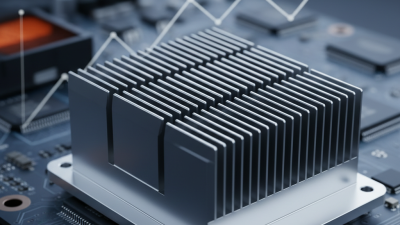
Aluminum heat sinks play a critical role in thermal management across various industries. They help dissipate heat generated by electronic components. The efficient transfer of heat is vital in ensuring the longevity and performance of devices. As technology evolves, the demand for effective cooling solutions increases.
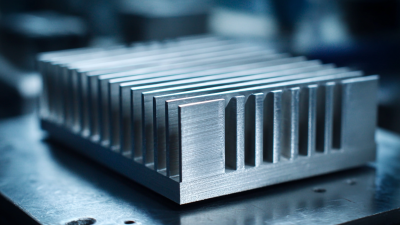
There are several types of aluminum heat sinks, each offering specific advantages. Finned designs enhance airflow and surface area, promoting better heat dissipation. Extruded aluminum is popular due to its lightweight and customizable properties. However, choosing the right heat sink requires careful consideration of application needs. Overestimating cooling requirements can lead to unnecessary costs.
Many engineers overlook material quality in their designs. The effectiveness of a heat sink also depends on its surface treatment. Anodized finishes can improve thermal conduction, yet some may not recognize its significance. Emphasizing the right features will enhance thermal management strategies. Understanding every aspect of design helps in optimizing performance.
China Best Aluminum Heat Sink Types for Efficient Thermal Management
| Heat Sink Type |
Material |
Application |
Thermal Conductivity (W/mK) |
Weight (g) |
Price Range (USD) |
| Extruded Heat Sink |
Aluminum 6063 |
LED Lighting |
200 |
150 |
10 - 30 |
| Folded Fin Heat Sink |
Aluminum 6061 |
Computer CPUs |
210 |
120 |
15 - 40 |
| Pinned Heat Sink |
Aluminum |
Power Amplifiers |
185 |
200 |
20 - 50 |
| Extruded with Base Plate |
Aluminum 6063 |
Industrial Electronics |
205 |
180 |
25 - 60 |
| Active Heat Sink |
Aluminum |
High-Performance CPUs |
220 |
250 |
50 - 100 |
Key Characteristics of Aluminum for Effective Heat Dissipation
When it comes to effective thermal management, aluminum stands out as a key material. Its high thermal conductivity allows for efficient heat dissipation. This property is essential in various applications, from electronics to automotive industries. Designers often prefer aluminum heat sinks for their lightweight nature and superior performance in thermal regulation.
The durability of aluminum further enhances its usability in heat sink designs. It can withstand different temperatures without significant deformation. However, the production process can lead to imperfections, which may affect thermal efficiency. Proper surface treatment, such as anodizing, can improve performance by increasing surface area and enhancing heat transfer.
It’s crucial to evaluate aluminum's characteristics when selecting the best heat sink type. Not all aluminum alloys offer the same thermal properties, which may lead to oversight. Understanding the specific application requirements is vital. Better design choices can be made when one considers both the strengths and potential weaknesses of aluminum in thermal applications.
Types of Aluminum Heat Sinks: Passive vs. Active Cooling Solutions
When considering aluminum heat sinks, it's vital to understand the two primary types: passive and active cooling solutions.
Passive heat sinks are often favored for their simplicity. They rely on natural convection and radiation to dissipate heat.
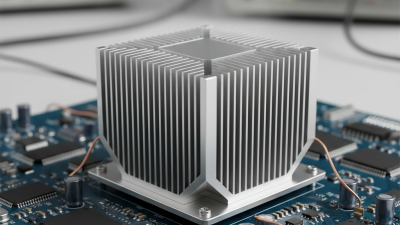
They contain fins and extended surfaces to increase the area exposed to air, enhancing heat transfer.
However, passive systems may struggle in high heat density scenarios, requiring careful design for maximum efficiency.
Active cooling solutions, in contrast, employ fans or pumps to move air or fluids over the heat sink.
This approach allows for effective heat removal even in compact spaces. Choosing this type can lead to greater complexity and potential points of failure.
The added mechanical components can lead to noise and increased power consumption. While they are generally more efficient,
achieving the right balance of airflow and thermal performance can be tough.
Both types have unique advantages and disadvantages based on application needs.
Passive options are often lighter and simpler to integrate into lightweight devices.
Active systems can provide superior performance but may necessitate more extensive thermal management planning.
Understanding these differences is crucial for selecting the right type for thermal management.
Performance Metrics: Analyzing Efficiency in Various Heat Sink Designs
Thermal management is essential in various industries, especially in electronics and automotive applications. The efficiency of aluminum heat sinks significantly impacts performance metrics. One metric is thermal resistance, which measures how effectively a heat sink can disperse heat. Lower thermal resistance signifies better performance, which is crucial for maintaining optimal device temperatures.
There are several designs of aluminum heat sinks: extruded, folded fin, and skived fin heat sinks. Each design has its unique attributes. For instance, extruded heat sinks often provide a good balance between cost and efficiency. However, its performance can be limited in compact spaces. Folded fin designs enhance airflow and surface area, but they may be more challenging to manufacture. Skived fin heat sinks excel at maximizing thermal performance, yet they can be more expensive and complex to produce.
Choosing the right heat sink involves trade-offs. Efficiency must be weighed against factors like size and cost. Sometimes, designs that perform well in simulations struggle under real-world conditions. Variability in material quality can alter efficiency as well, making it crucial to consider specifications carefully. Understanding these nuances helps engineers make informed decisions and improve overall thermal management strategies.
Market Trends: Innovations and Advances in Aluminum Heat Sink Technology
Aluminum heat sinks are evolving rapidly to meet the demands of modern cooling solutions. Recent studies show that the global aluminum heat sink market is expected to grow at a CAGR of 4.5% from 2022 to 2030. This rise can be attributed to increasing energy efficiency requirements in various sectors, particularly in electronics and automotive industries.
One of the noteworthy innovations is the development of hollow heat sinks. They offer significant weight reduction without compromising thermal performance. These heat sinks are easier to handle and integrate into various applications. Additionally, advanced manufacturing techniques, such as 3D printing, enable more complex designs that enhance heat dissipation. This is crucial as devices are becoming smaller but require effective cooling solutions.
However, there are challenges. The need for sustainable materials is rising, pushing manufacturers to rethink traditional aluminum sources. Reliability remains a concern in harsh environments where heat sinks must endure varying temperatures and humidity levels. Continuous monitoring for thermal efficiency also adds another layer of complexity. Balancing performance, sustainability, and cost will be key as the industry moves forward.
China Best Aluminum Heat Sink Types for Efficient Thermal Management




 Mr. Perry Wu International Sales Director