China Top Skiving Heat Sink Benefits and Applications Explained
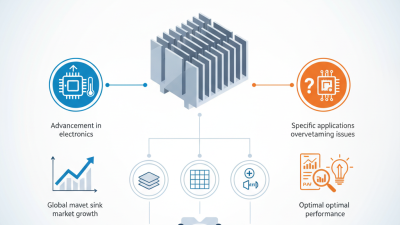
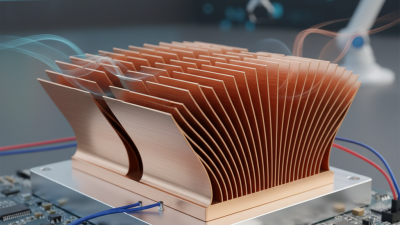
In recent years, the demand for efficient thermal management solutions has surged across various industries. A Skiving Heat Sink stands out as a key player in this arena. These heat sinks are designed through a precision skiving process, which shapes the material into thin, highly efficient structures. According to a report by Grand View Research, the global thermal management market is expected to reach USD 25.5 billion by 2025, highlighting the growing significance of effective cooling technologies.
Skiving Heat Sinks offer distinct advantages, including enhanced thermal conductivity and lightweight designs. Their applications span consumer electronics, automotive sectors, and renewable energy systems. In electronic devices, for instance, overheating can lead to reduced performance and potential failure. A reliable skiving heat sink can mitigate these risks effectively. However, the technology is not without challenges. The manufacturing process can be complex, and achieving optimal performance requires careful material selection.
While skiving heat sinks are efficient, they may not be the best choice for every application. It’s essential to balance cost, size, and cooling requirements. Understanding the specific needs of each application is vital for making the right choice. As industries evolve, skiving heat sinks will continue to play a crucial role in thermal management solutions.
Benefits of Using Top Skiving Heat Sinks in Thermal Management
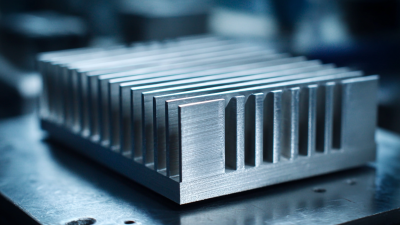
Skiving heat sinks are increasingly popular in thermal management applications. These components enhance heat dissipation through their unique design. Their features maximize surface area, improving thermal conductivity effectively. Engineers often select them for compact devices, where space is limited.
One notable benefit of skiving heat sinks is their lightweight nature. This contributes to less overall weight in electronic devices. The skiving process creates precise and intricate fins, which lead to better airflow and cooling efficiency. Despite these advantages, manufacturers must ensure consistent quality in production. Variability can affect performance.
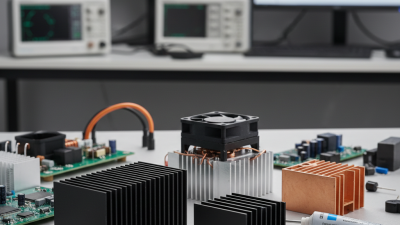
Another application worth considering is in high-performance computing. Here, effective thermal management is crucial. Skiving heat sinks can adapt to various configurations, offering flexibility. However, users must understand the thermal load involved. Miscalculating needs can lead to suboptimal performance, highlighting the importance of accurate assessments before implementation.
Benefits of Using Top Skiving Heat Sinks in Thermal Management
Applications of Top Skiving Heat Sinks in Various Industries
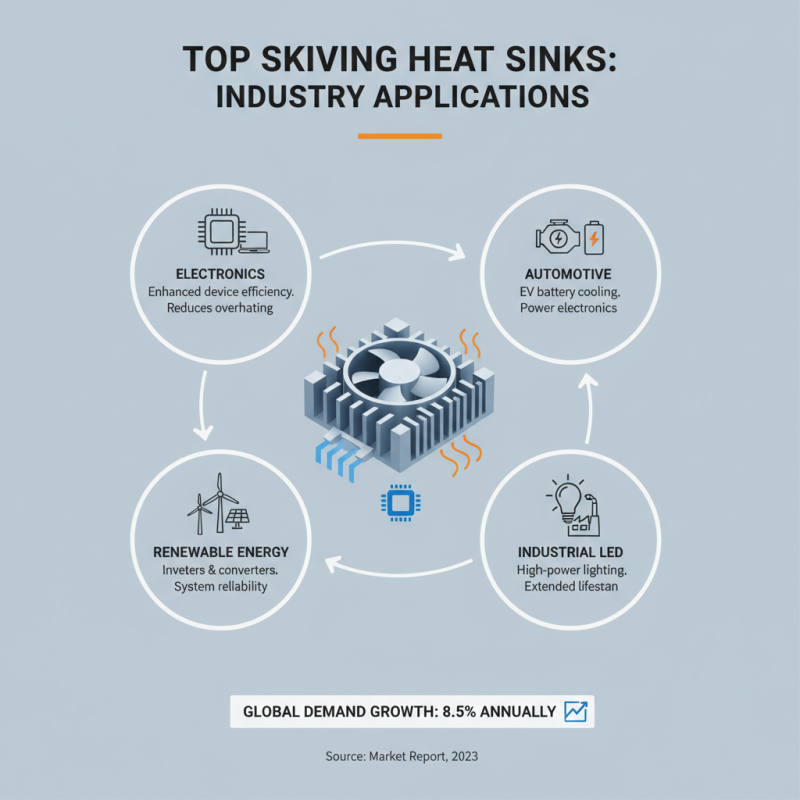
Top skiving heat sinks have gained traction across various industries due to their superior thermal management capabilities. In electronics, for instance, where devices generate substantial heat, these heat sinks improve efficiency significantly. According to a recent market report, the global demand for advanced thermal management solutions is projected to grow by 8.5% annually, highlighting the importance of effective cooling systems.
In the automotive sector, top skiving heat sinks are crucial for electric vehicles. As EVs increase in popularity, maintaining optimal battery temperatures becomes essential. A study indicates that thermal performance can be improved by up to 30% with skived designs compared to traditional methods. This considerable enhancement can prolong battery life and improve overall vehicle efficiency, indicating a strong trend toward adopting innovative cooling technologies.
Furthermore, industries such as LED lighting rely on these heat sinks to ensure longevity and performance. High temperatures can drastically reduce LED lifespan. With proper thermal management, LED assemblies can last up to 50,000 hours. However, the challenge remains in optimizing the design for specific applications. Engineers must continually innovate to adapt to diverse requirements, balancing cost and performance effectively.
Comparison of Top Skiving Heat Sinks with Other Cooling Solutions
In the world of thermal management, skiving heat sinks stand out for their efficiency. They utilize a unique manufacturing process that creates thin, elongated fins. This design enhances surface area, allowing better heat dissipation. Compared to traditional heat sinks, skiving options offer a more compact solution. Their lightweight nature is also beneficial in applications where space is limited.
When comparing skiving heat sinks to other cooling solutions, such as extruded or stamped heat sinks, the differences become clear. Extruded heat sinks might be bulkier, leading to weight issues in certain designs. Stamped solutions can lack the same thermal performance, especially under high load conditions. In contrast, skiving excels in providing uniform cooling due to its optimized geometry. However, the production process can be more complex, leading to potential inconsistencies in quality.
There are limitations to skiving heat sinks. For example, their efficiency can decrease in low airflow environments. Size constraints can also limit their use. While they provide excellent performance, it's essential to weigh these factors against specific application needs. Understanding these nuances ensures better design choices in thermal management.
Manufacturing Process of Top Skiving Heat Sinks Explained
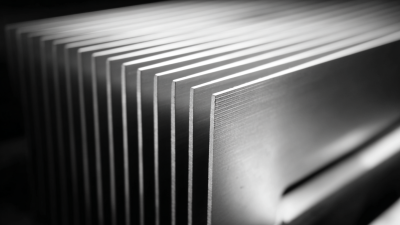
The manufacturing process of top skiving heat sinks plays a crucial role in enhancing thermal management. Skiving involves cutting metal into thin, flat sections that can dissipate heat efficiently. This technique often uses a specialized tool to slice through solid blocks of material. The result is a lightweight and highly effective heat sink design.
During the skiving process, careful temperature control is essential. If the metal gets too hot, it can deform and lose structural integrity. Operators must monitor the equipment closely and adjust speeds accordingly. This precision can be challenging, as different materials react differently under heat. The skills of the technician can greatly affect the final product’s quality.
Another important factor is the coolant used during manufacturing. Insufficient coolant can lead to overheating, which compromises the heat sink’s performance. Manufacturers should evaluate their current coolant systems regularly. A thorough understanding of material properties and environmental factors strengthens the entire manufacturing chain. Continuous improvements can yield even better heat dissipation in future designs.
China Top Skiving Heat Sink Benefits and Applications Explained
| Dimension |
Value |
Application |
| Material |
Aluminum |
Consumer Electronics |
| Thermal Conductivity |
205 W/mK |
LED Lighting |
| Fin Height |
2.0 mm |
Telecommunications Equipment |
| Heat Dissipation Area |
150 cm² |
Industrial Machinery |
| Weight |
250 g |
Automotive Components |
Future Trends in Heat Sink Technology and Skiving Techniques
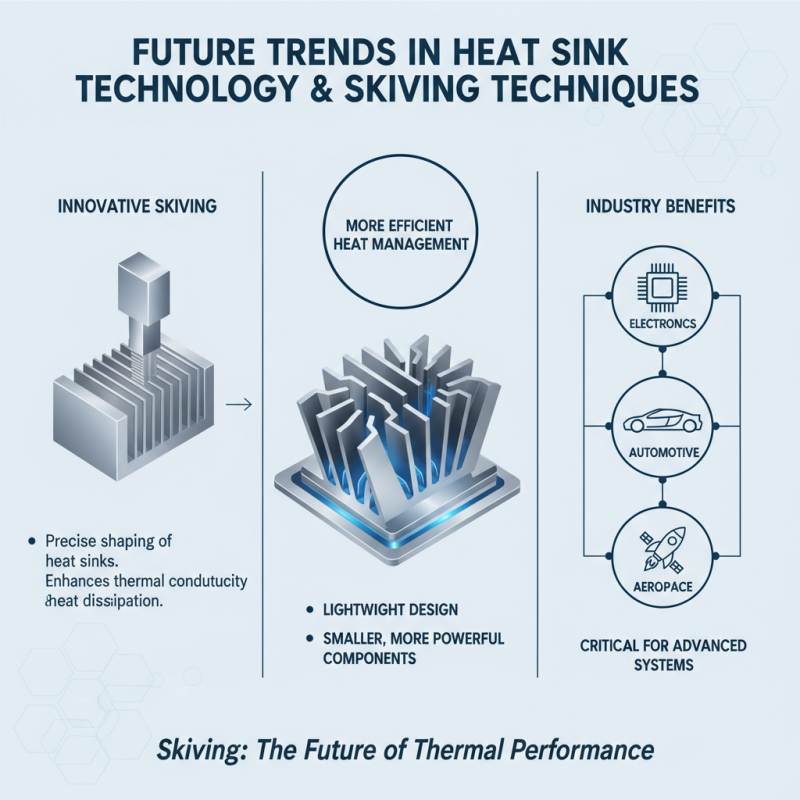
The future of heat sink technology is being shaped by innovative skiving techniques. These methods provide better thermal conductivity, enhancing heat dissipation. Skiving allows for precise shaping of the heat sink, leading to a lightweight and efficient design. This efficiency is especially beneficial in industries like electronics, automotive, and aerospace. As components become smaller and more powerful, effective heat management is critical.
Tips: When selecting a heat sink, consider the material and design. Skiving often uses aluminum, which offers excellent thermal performance. Pay attention to the dimensions to ensure compatibility with your application.
Emerging trends indicate the integration of smart materials and 3D printing in heat sink development. These technologies can produce complex geometries that traditional methods can't achieve. While promising, challenges remain, such as ensuring durability and cost-effectiveness. Continuous research is essential to address these concerns and optimize performance.



 Mr. Perry Wu International Sales Director