How to Choose the Right Vrm Heatsink for Your Needs?
Choosing the right Vrm heatsink can significantly affect your system's performance. Renowned thermal management expert Dr. Emily Carter states, “The right heatsink is crucial for efficient power management.” With the increasing demand for high-performance computing, a suitable Vrm heatsink is essential. It can enhance cooling efficiency and prolong the lifespan of components.
When selecting a Vrm heatsink, consider factors like dimensions, materials, and thermal conductivity. The market offers various options, each with unique properties. It's important to evaluate the specific needs of your setup. A mismatch can lead to inadequate cooling. This may result in overheating and potential damage to your system.
Customization is another aspect to reflect on. Off-the-shelf solutions may not always fit your requirements. A tailored Vrm heatsink can optimize performance. However, this route requires a deeper understanding of your system's thermal dynamics. Don't rush the decision. Take the time to explore and understand your options. The right choice will vastly improve your system's reliability and efficiency.
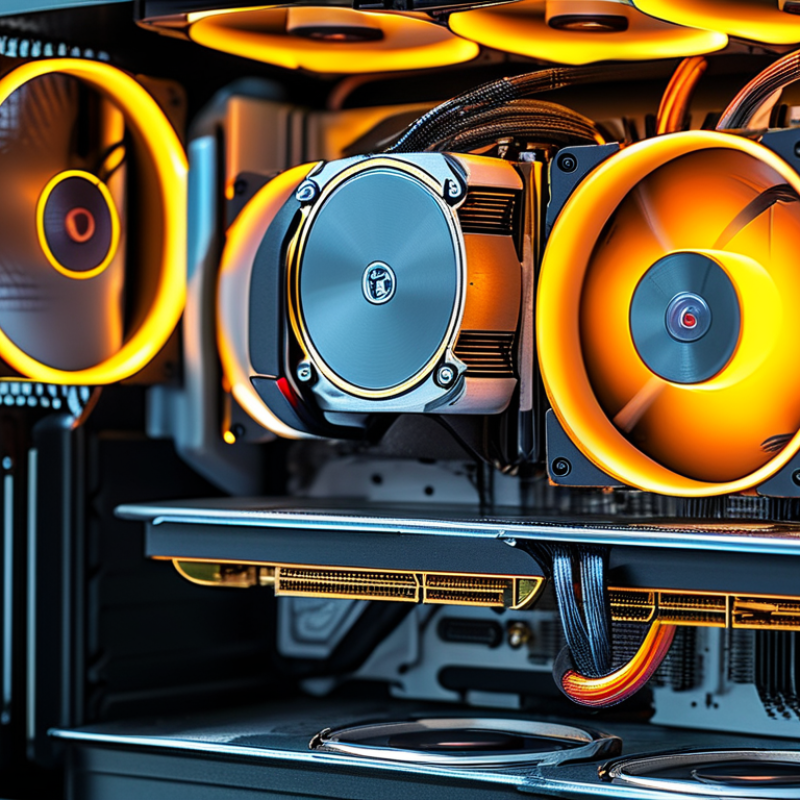
Understanding the Role of VRM Heatsinks in Cooling Solutions
VRM heatsinks play a crucial role in cooling solutions for modern computer systems. They help dissipate heat generated by voltage regulating modules (VRMs), which are essential for providing stable power to the CPU and GPU. Effective cooling ensures that these components function optimally and maintain performance under load. Choosing the right heatsink involves understanding the specific thermal requirements of your system.
When selecting a heatsink, consider factors such as size, material, and airflow. An oversized heatsink may not fit in compact cases. Materials like aluminum and copper vary in heat conductivity and weight. Assessing your case's airflow is also vital. Good airflow can significantly enhance a heatsink's performance, while poor airflow can hinder it. Many overlook these details, leading to inefficient cooling solutions.
Thermal paste and contact surface are often debated topics. Proper application of thermal paste can make a difference in heat transfer. Sometimes, users neglect this step or apply too much paste. This can result in subpar heat dissipation, causing overheating issues. It’s essential to regularly check the performance of your heatsink, as even the best heatsinks require maintenance over time.
How to Choose the Right Vrm Heatsink for Your Needs? - Understanding the Role of VRM Heatsinks in Cooling Solutions
| Heatsink Material |
Thermal Conductivity (W/mK) |
Weight (grams) |
Size (mm) |
Cooling Efficiency (% Rating) |
| Aluminum |
205 |
50 |
100 x 100 |
85 |
| Copper |
385 |
75 |
90 x 90 |
90 |
| Alloy |
200 |
65 |
110 x 110 |
80 |
| Composite |
150 |
45 |
95 x 95 |
75 |
Key Factors to Consider When Selecting a VRM Heatsink
When selecting a VRM heatsink, thermal performance is crucial. The efficiency of a heatsink significantly affects the voltage regulator module (VRM) temperatures. Poor thermal conductivity can lead to overheating, affecting the system's stability. Reports reveal that a heatsink with a thermal resistance of less than 0.5 °C/W is ideal for high-performance applications.
Another key factor is the physical size and shape of the heatsink. A larger surface area allows for better heat dissipation. However, it must fit within the design constraints of your system. Heatsinks that occupy too much space can obstruct airflow or block other components. It's essential to balance size and cooling efficiency.
Consider also the method of mounting. An improper fit can achieve suboptimal performance. Additionally, the material used in the heatsink matters. Aluminum is lightweight and cost-effective, while copper offers superior thermal conductivity but at a higher price. Understanding these variables will help you avoid common mistakes. Factor in your specific needs to ensure long-term reliability and performance.
Types of VRM Heatsinks: Passive vs. Active Cooling Options
When selecting VRM heatsinks, the choice between passive and active cooling options is crucial. Passive heatsinks rely solely on ambient airflow for cooling. They are simple, often aluminum-based, and require no power. However, their effectiveness can diminish in low airflow environments. Data from recent thermal management studies reveal that passive cooling solutions can be 20-30% less effective under certain conditions. Their performance drops significantly in densely packed systems or during prolonged high loads.
Active cooling solutions, on the other hand, incorporate fans or liquid cooling to enhance cooling efficiency. This method can reduce operational temperatures by 15-25% compared to passive systems. The additional mechanical components may introduce noise and require more power. Reflecting on the energy usage, some reports indicate that while active systems offer better performance, they can consume up to 50% more power in peak situations. It is important to weigh the benefits against the potential downsides of complexity and noise.
Ultimately, the right choice depends on system requirements. For high-performance setups, active cooling may be necessary. Yet, for budget-conscious or simple applications, passive heatsinks can provide adequate cooling. Both options have their pros and cons. The key is understanding your needs and potential limitations in thermal management.
Assessing Compatibility with Your Motherboard and Components
When selecting a VRM heatsink, assessing compatibility with your motherboard and components is essential. Many users overlook this critical step, leading to overheating issues.
According to a report from the Thermal Solutions Industry Association, effective thermal management can improve component lifespan by up to 30%.
Identify the thermal requirements of your VRM design. Check your motherboard specifications to see the maximum allowable heatsink dimensions. Incompatible sizes can result in poor airflow and increased thermal resistance. Remember, not all heatsinks fit all motherboards. Some require specific mounting mechanisms that can complicate installation.
It's important to ensure that airflow from fans or the case is not obstructed. Poor circulation will counteract any cooling benefits provided by the heatsink. Conduct research on how other users fared with specific heatsinking solutions before making a decision.
In the end, a well-matched heatsink can significantly enhance your system's performance, but misjudgments can lead to underperformance or failures. This careful consideration is the hallmark of a proficient PC builder.
Evaluating Thermal Performance and Material Options for Heatsinks
When choosing a VRM heatsink, evaluating thermal performance is crucial. The heatsink should dissipate heat effectively to protect the VRM components. Look for specifications like thermal conductivity and surface area. Materials like aluminum and copper have unique properties. Aluminum is lightweight and cost-effective, while copper offers superior thermal conductivity. The choice of material impacts performance significantly.
Pay attention to the design as well. The shape and fin structure influence airflow and cooling efficiency. Some heatsinks have passive designs, while others use active cooling methods. Assess your needs carefully. An oversized heatsink may seem better, but it could restrict airflow in compact spaces.
Don’t overlook the mounting options. Ensure the heatsink fits your VRM layout securely. Sometimes, people underestimate the importance of proper installation. A poorly mounted heatsink can lead to heat buildup, impacting performance. Reflect on how these factors combine to meet your specific cooling needs.






 Mr. Perry Wu International Sales Director