What is a Heat Sink and How Does It Work?
In today's rapidly advancing technology landscape, the role of a Heat Sink is pivotal. Experts like Dr. Alice Thompson, a leading thermal management engineer, emphasize that "a Heat Sink is the unsung hero of effective cooling." This simple yet critical component helps dissipate heat generated by electronic devices, maintaining their optimal performance.
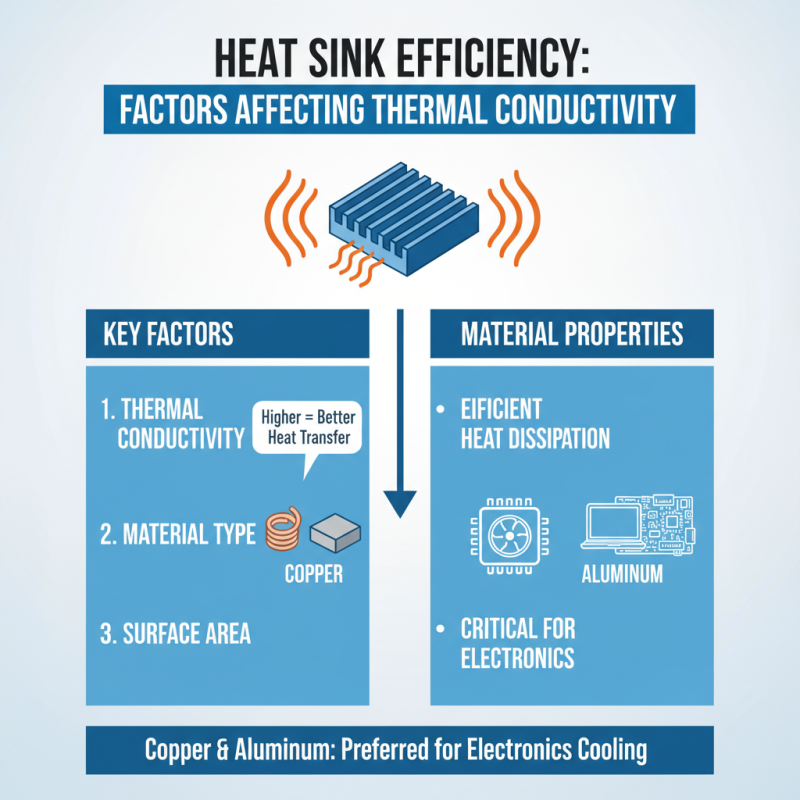
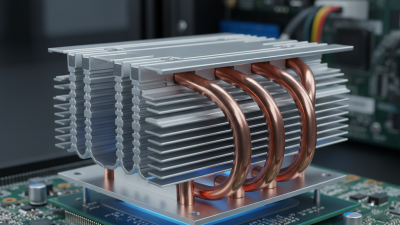
Heat Sinks come in various shapes and materials designed to transfer heat away efficiently. For instance, aluminum and copper are common choices, offering high thermal conductivity. However, not all Heat Sinks are created equal. The design must consider factors like airflow and surface area for maximum effectiveness. Some designs may fail if they do not adequately integrate with the system they serve.
As technology grows, so does the complexity of devices. The challenge lies in balancing size and performance. Many devices suffer from overheating issues. Users might overlook how crucial a Heat Sink is for their daily technology. Understanding this can lead to better device longevity and efficiency.
What is a Heat Sink and Its Role in Thermal Management?
Heat sinks play a crucial role in thermal management for electronic devices. They help dissipate heat generated by components, preventing overheating. When electricity flows through circuits, it creates heat. This heat can damage components if not managed properly. Here, heat sinks come into play by increasing the surface area for heat dissipation.
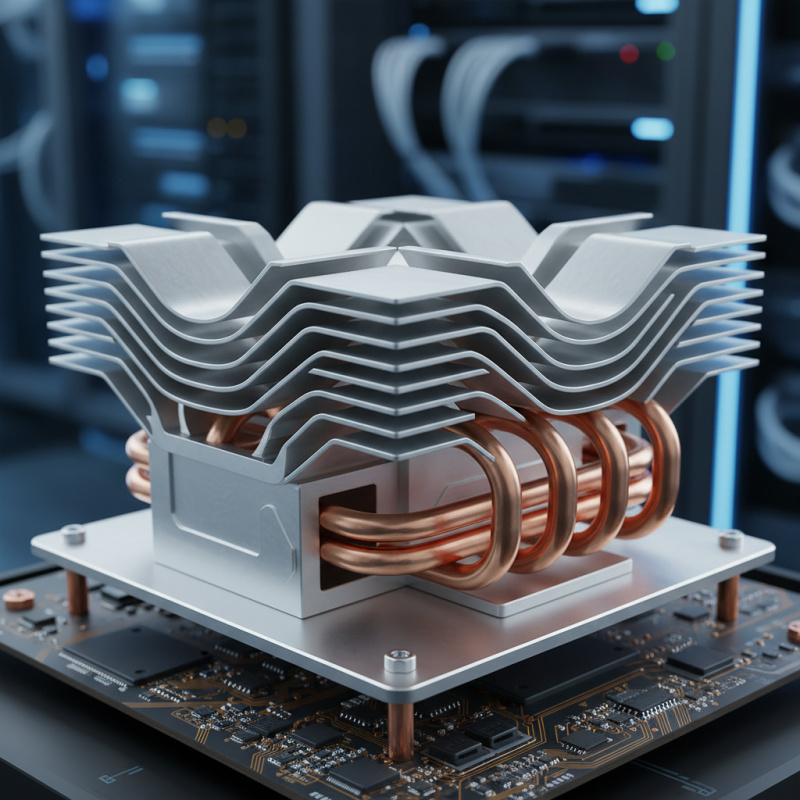
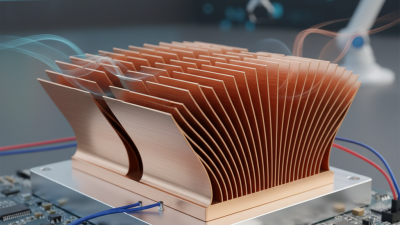
A heat sink typically consists of metal fins that draw heat away from a device. These fins can vary in shape and size, depending on the specific requirements. The design is important; it needs to balance efficiency and size. A poorly designed heat sink may not operate effectively, leading to component failure. Therefore, every detail matters.
While heat sinks are efficient in thermal management, they are not foolproof. They require adequate airflow to work properly. Without good ventilation, the heat may build up. Users often overlook this aspect. Neglecting airflow can defeat the purpose of using a heat sink. Keeping these factors in mind is essential for optimal performance.
Types of Heat Sinks: Passive vs. Active Cooling Solutions
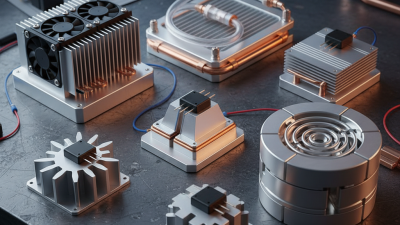
Heat sinks are essential for managing heat in electronic devices. There are two main types: passive and active cooling solutions. Passive heat sinks rely on natural convection. They often use aluminum or copper to dissipate heat. These materials have high thermal conductivity. Reports show that passive cooling systems can be effective, but they may not suffice for high-performance applications.
Active heat sinks incorporate fans or pumps to enhance cooling. This method can significantly improve the cooling efficiency. Studies indicate that active systems can reduce temperatures by up to 30%. However, active solutions may introduce noise and require more maintenance. Over time, the additional components can fail, resulting in potential overheating.
Choosing between passive and active cooling depends on specific needs. Passive systems are usually lightweight and require less space. Active systems, though effective, can be bulky and complex. Each option has trade-offs. Users must weigh performance against practicality. This decision can be pivotal for device longevity and efficiency.
Materials Used in Heat Sink Manufacturing: Aluminum vs. Copper
Heat sinks are vital components for managing heat in electronic devices. They help prevent overheating, ensuring optimal performance. Two common materials used in heat sink manufacturing are aluminum and copper. Each has distinct properties that influence their efficiency and application.
Aluminum is lightweight and cost-effective. It offers good thermal conductivity, though it is not the best option available. Aluminum heat sinks are often found in consumer electronics due to their affordability. They are easier to shape and can be produced in larger quantities. However, their performance may lag behind copper, especially in high-heat applications.
Copper, on the other hand, has superior thermal conductivity. It can transfer heat more effectively than aluminum. This makes copper heat sinks suitable for demanding applications, like high-performance CPUs. Nevertheless, copper is heavier and more expensive. Its density can pose mounting challenges in compact designs. Balancing these factors is crucial during the design phase. Each material has strengths and weaknesses, making the choice context-dependent.
Material Comparison for Heat Sinks: Aluminum vs. Copper
Applications of Heat Sinks in Electronics and Industrial Equipment
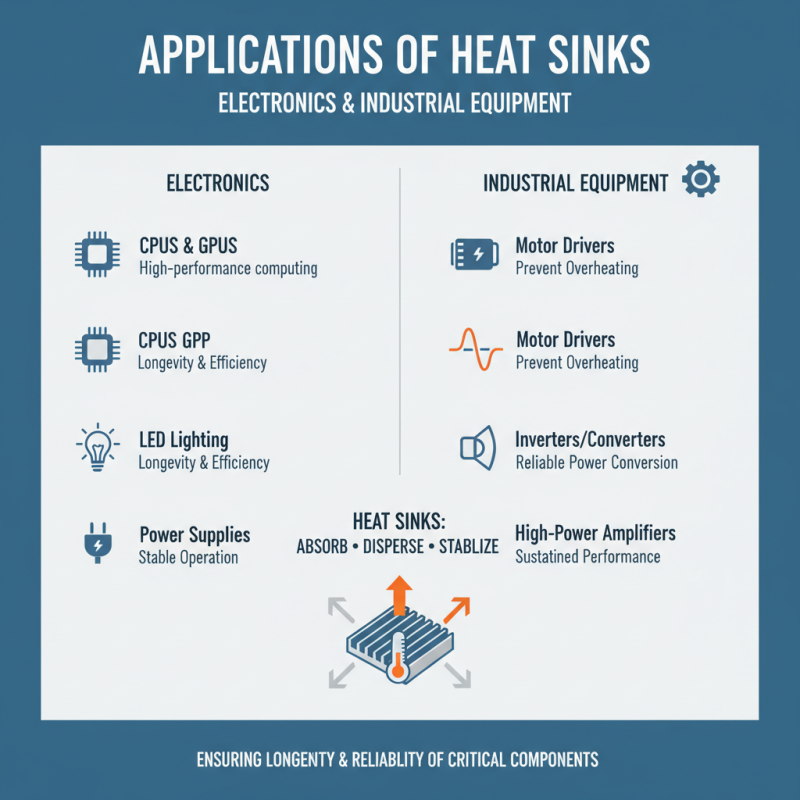
Heat sinks play a crucial role in electronics and industrial equipment. They are designed to absorb and disperse heat away from vital components. Without effective heat management, devices can overheat, leading to malfunctions. Heat sinks stabilize temperatures, ensuring longevity and reliability.
In electronics, heat sinks are widely used in CPUs, GPUs, and power transistors. They promote efficient cooling, improving performance. A well-designed heat sink can decrease operational temperatures significantly. In industrial equipment, they help keep machinery running smoothly. Without them, equipment can fail prematurely, causing costly downtime.
**Tips:** When selecting a heat sink, consider the thermal conductivity of materials. Aluminium and copper are popular choices. Ensure the heat sink fits the specific component size. Sometimes, users overlook airflow patterns. Poor airflow can make a good heat sink less effective. Pay attention to placement and surrounding components.




 Mr. Perry Wu International Sales Director