Vapor Coolers are becoming popular in home cooling solutions. Many homeowners seek efficient and eco-friendly alternatives to traditional air conditioning. According to industry expert Dr. Emily Harper, "Vapor Coolers offer a cost-effective way to reduce indoor heat while conserving energy."
The benefits are numerous. These devices can lower air temperatures significantly, making homes more comfortable during hot months. They use water evaporation to cool the air, which is both effective and environmentally friendly. This technology brings a refreshing breeze, without the high energy bills associated with conventional cooling systems.
Despite the many advantages, it’s essential to consider some drawbacks. For instance, Vapor Coolers work best in dry climates. High humidity can limit their efficiency. Moreover, regular maintenance is necessary to ensure optimal performance. Overall, weighing the pros and cons is crucial.
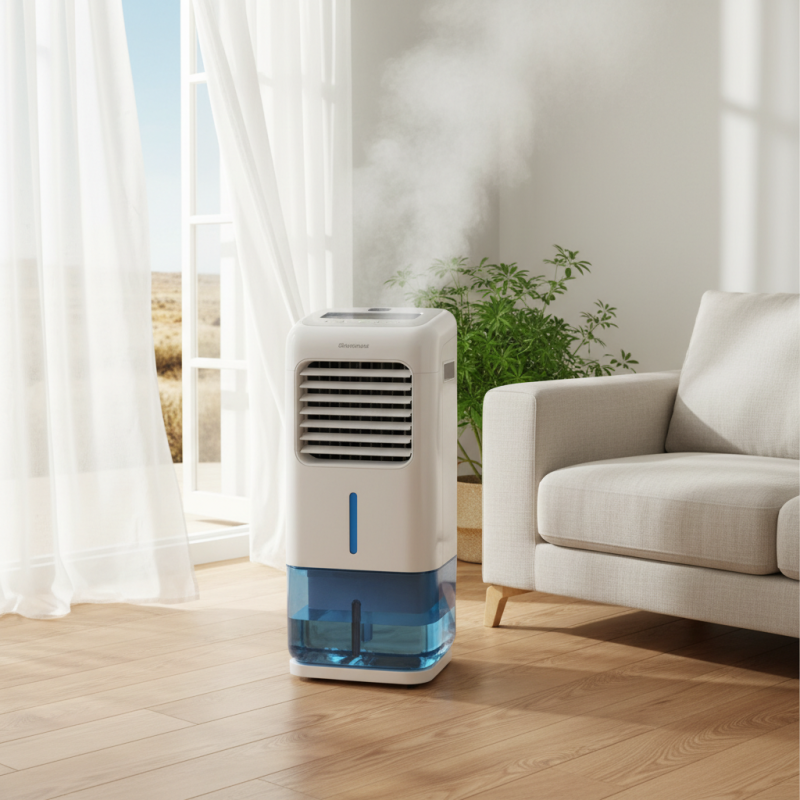
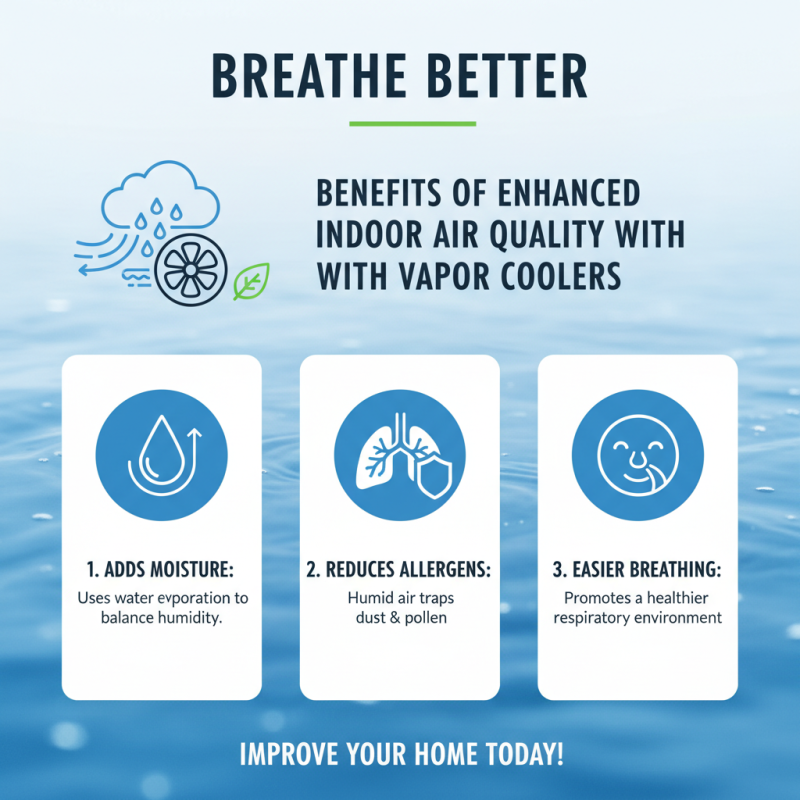
Vapor coolers provide significant benefits for enhancing indoor air quality. They use water evaporation to cool air, which naturally adds moisture. This process helps maintain a balance in humidity levels. A more humid environment can reduce dust and allergens, making it easier to breathe.
Another important aspect of vapor coolers is their ability to lower indoor temperatures without excessive energy consumption. They circulate air, preventing hot spots and ensuring a smoother airflow throughout your home. This can lead to a more comfortable living space overall. However, if not used properly, humidity levels can become too high, leading to mold growth. It’s crucial to monitor moisture levels regularly.
Additionally, the use of vapor coolers can lead to reduced reliance on traditional AC units. This shift can lower energy costs significantly. The appeal of cooler air coupled with healthier air quality is undeniable. However, consider the maintenance needs. Regular cleaning is essential to keep the cooler effective and inhibit the growth of bacteria.
Vapor coolers offer significant energy efficiency for homes. According to the U.S. Department of Energy, these systems can use up to 75% less energy than traditional air conditioners. This reduction is achieved through evaporative cooling, which draws air through water-saturated pads. The result is a natural cooling effect, vastly reducing electricity consumption during hot months.
In a study conducted by the American Society of Heating, Refrigerating and Air-Conditioning Engineers (ASHRAE), vapor coolers were found to lower indoor temperatures efficiently while maintaining airflow. This balance is crucial, as it prevents the over-reliance on electric units that typically consume more power. Households can expect a drop in energy bills by 20-50% when utilizing this technology. However, performance hinges on humidity levels. In very humid regions, the effectiveness may wane.
It's essential to recognize that while vapor coolers are beneficial, they are not a one-size-fits-all solution. Homeowners must evaluate their specific needs and local climate conditions. For some, using a combination of cooling solutions might be necessary to achieve optimal comfort while maximizing energy savings.
Vapor coolers offer significant cost savings when compared to traditional air conditioning systems. According to the U.S. Department of Energy, evaporative coolers can be 75% more energy-efficient. They use water to cool the air, which leads to lower electricity usage. This results in reduced monthly utility bills, making them a budget-friendly option.
Consider your location. In dry climates, vapor coolers work exceptionally well. A study from the Energy and Resources Institute suggests that in arid regions, they can cut cooling costs by up to 50%. However, their effectiveness diminishes in humid areas. Users should evaluate environmental conditions carefully before making a decision.
While initial costs for a vapor cooler may be lower, maintenance is crucial. Regular cleaning is necessary to prevent mold growth and maintain efficiency. Neglecting maintenance can lead to unexpected costs and performance drops. Budgeting for upkeep is essential to fully enjoy energy savings.
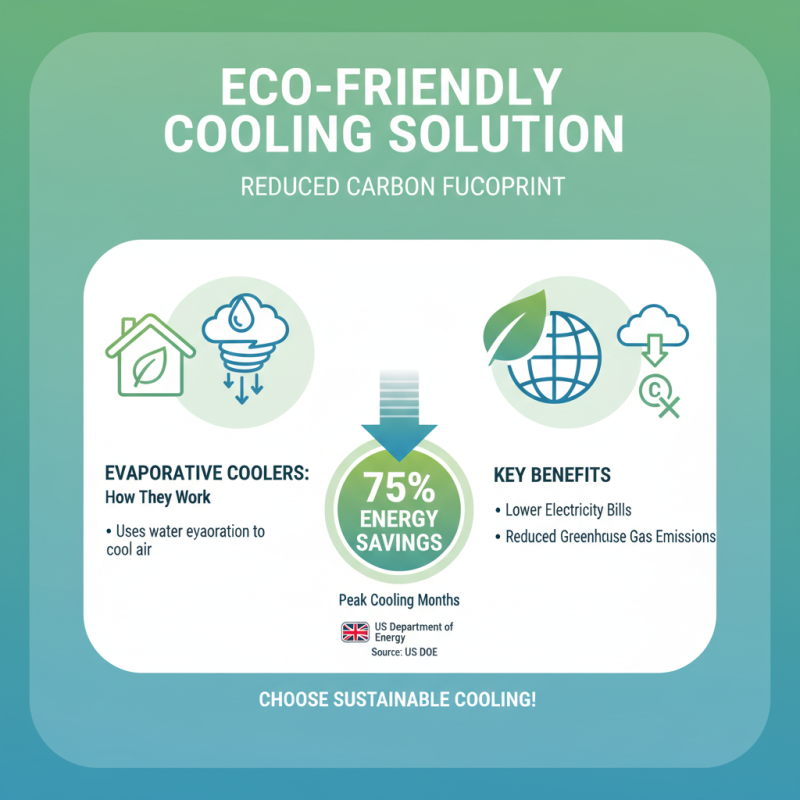
Vapor coolers, also known as evaporative coolers, provide a unique eco-friendly solution for home cooling. These systems use water evaporation to cool the air, significantly reducing energy consumption compared to traditional air conditioning. According to the U.S. Department of Energy, using an evaporative cooler can save homeowners up to 75% on energy costs during peak cooling months.
The reduced carbon footprint of vapor coolers is notable. Traditional AC units rely heavily on electricity, which often comes from fossil fuels. In contrast, a vapor cooler primarily uses water, meaning fewer greenhouse gas emissions. Studies indicate that switching to evaporative cooling can lower individual CO2 emissions by over one ton per year. This is crucial as climate concerns grow.
However, it's essential to consider regional climate. Vapor coolers work best in dry, hot areas. In humid environments, their efficiency diminishes. Homeowners must assess their local conditions. Not all will benefit equally. There is also maintenance required, such as regularly checking water levels and cleaning pads, to ensure optimal performance.
Vapor coolers offer a user-friendly experience that appeals to many homeowners. Setting up a vapor cooler is a straightforward process. You fill the unit with water, plug it in, and adjust the settings to your preference. This simple operation makes it accessible even for those not tech-savvy. Most models come with intuitive controls. You can easily dial in the perfect temperature for your space.
Maintenance is also a breeze. Regular cleaning is essential but not time-consuming. Just a quick wipe-down of the cooling pads and water basin can ensure efficiency. Some users have found themselves neglecting this step, leading to reduced performance. Being mindful of upkeep can enhance the unit's lifespan significantly. Remembering to check the water level is crucial too. It’s a small upkeep task that can greatly impact effectiveness.
While vapor coolers excel in user-friendliness, potential drawbacks exist. They may require a consistent water supply, which isn't always convenient. Additionally, if not monitored, humidity levels can climb. Awareness of these aspects can help users make informed decisions. Embracing the benefits while recognizing the need for occasional adjustments is the key. Each cooler offers a unique experience worth exploring.
| Benefit | Description | Impact on Home |
|---|---|---|
| Energy Efficiency | Vapor coolers use less electricity compared to traditional air conditioning systems. | Lower energy bills and reduced carbon footprint. |
| Improved Indoor Air Quality | Vapor coolers help to humidify the air, reducing dryness and dust. | Healthier living environment and fewer respiratory issues. |
| User-Friendly Operation | Easy to operate with simple controls and maintenance routines. | Convenience for homeowners and hassle-free cooling solution. |
| Cost-Effectiveness | Generally lower initial purchase and installation costs compared to air conditioners. | Affordable cooling solution for budget-conscious homeowners. |
| Eco-Friendly | Using natural evaporation to cool the air, reducing reliance on harmful chemicals. | Sustainable option that supports environmental conservation efforts. |