2026 Top Flexible Heat Pipe Solutions for Global Buyers?
In recent years, the demand for Flexible Heat Pipes has surged globally. This growth reflects a need for efficient thermal management in various industries, from electronics to space exploration. According to a report by MarketsandMarkets, the flexible heat pipe market is projected to reach $1.2 billion by 2026, growing at a compound annual growth rate (CAGR) of 6.5%.
Expert in thermal technologies, Dr. Emily Zhang notes, "The adaptability of Flexible Heat Pipes allows for innovative solutions in challenging environments." As companies pursue sustainability and efficiency, these pipes provide crucial support in managing heat effectively. Their versatility is evident in applications ranging from consumer electronics to high-performance computing systems.
Yet, the market faces challenges. The development of reliable materials and manufacturing processes is critical. Quality assurance must match rapid design innovations. As we explore the top flexible heat pipe solutions, recognizing these complexities is essential. Balancing performance and reliability is a continuous journey in this dynamic industry.
Overview of Flexible Heat Pipe Technology
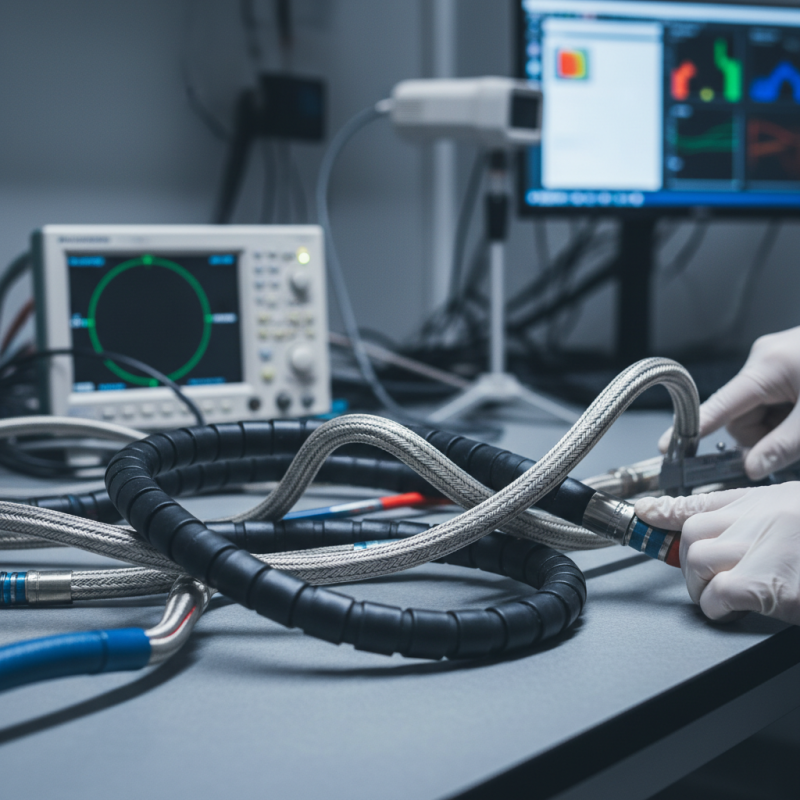
Flexible heat pipes are revolutionizing thermal management across various industries. These innovative devices enable efficient heat transfer in compact designs. According to a recent industry report, the demand for flexible heat pipes is expected to rise by 25% annually through 2026. This growth is fueled by advances in electronics and renewable energy sectors.
The technology relies on the phase change of working fluids to transport heat. Flexible heat pipes can bend without sacrificing performance, making them ideal for tight spaces. They find applications in automotive, aerospace, and consumer electronics markets. Current data highlights that lightweight thermal management solutions are crucial for achieving energy efficiency. In 2023, around 30% of consumers prioritized such features in their purchases.
However, challenges persist. Manufacturing complexities can lead to inconsistencies in performance. Experts note that more research is needed to standardize production processes. Additionally, while the technology is promising, cost barriers remain for widespread adoption. Balancing efficiency and affordability is vital for future growth in this sector.
2026 Top Flexible Heat Pipe Solutions for Global Buyers
| Dimension |
Material |
Thermal Conductivity (W/m·K) |
Operating Temperature Range (°C) |
Flexible Design Feature |
| 6 mm x 8 mm |
Copper |
400 |
-50 to 120 |
Bendable |
| 8 mm x 10 mm |
Aluminum |
240 |
-40 to 100 |
Twistable |
| 10 mm x 12 mm |
Stainless Steel |
150 |
-20 to 150 |
Flexible |
| 5 mm x 5 mm |
Graphite |
300 |
-10 to 200 |
Highly Flexible |
| 12 mm x 14 mm |
Copper-Nickel Alloy |
350 |
-60 to 180 |
Conforms to Shape |
Key Features and Advantages of Flexible Heat Pipes
Flexible heat pipes are becoming essential in various applications due to their unique design and efficiency. They have a compact structure, facilitating integration into tight spaces. The ability to operate in diverse environments adds to their appeal. Whether in consumer electronics or advanced aerospace systems, these heat pipes provide reliable thermal management.
One key feature is their versatility in heat transfer. They can transport heat over long distances without significant temperature drops. This makes them suitable for applications that require precise temperature control. Additionally, flexible heat pipes can bend and twist, enabling engineers to design more complex systems. Their lightweight nature also contributes to reducing overall system weight, which is crucial in industries like aviation.
However, it's important to note that not all flexible heat pipes offer the same performance. Variations in materials and design can lead to different efficiency levels. Users should evaluate these factors carefully. While the advantages are clear, understanding the limitations is vital to making informed decisions. This approach encourages a holistic view of flexible heat pipe solutions.
Market Demand and Trends for Flexible Heat Pipes in 2026
As the demand for flexible heat pipes continues to grow, several trends are shaping the market in 2026. More industries are adopting these technologies due to their unique capabilities in efficient heat transfer. This shift is noticeable in sectors such as electronics, renewable energy, and automotive.
One key factor driving the demand is the push for energy efficiency. Flexible heat pipes excel in heat management, allowing for streamlined designs in tight spaces. This is particularly important in electronics, where overheating can lead to failures. Companies want products that not only work well but can also fit within minimalist designs.
The market is also seeing innovations in materials and designs. Research is ongoing to improve thermal conductance further, which is both exciting and challenging. Some existing solutions may not meet all industry needs, highlighting areas that require improvement. The reliance on flexible heat pipes might produce unexpected constraints, forcing manufacturers to innovate continuously. This dynamic landscape suggests that flexibility in product design will be crucial for keeping up with industry demands.
Top Suppliers and Manufacturers of Flexible Heat Pipe Solutions
The market for flexible heat pipes is expanding rapidly. As global demand grows, manufacturers must adapt their solutions. Innovative designs are necessary to meet the varied needs across different industries. Flexible heat pipes offer versatile solutions for thermal management, crucial for electronics, aerospace, and automotive applications.
In this competitive landscape, top suppliers focus on efficiency and reliability. Expertise in material science and engineering plays a vital role. Many manufacturers invest heavily in research to enhance performance. The need for lightweight and compact designs is significant, yet challenges in thermal conductivity remain. Some products may not fully meet extreme conditions. Therefore, buyers should consider these factors carefully.
Several companies excel in providing diverse product options. However, navigating this market can be tricky. Each supplier has unique strengths and weaknesses. It's essential for buyers to conduct thorough research. Quality assurance and testing also matter deeply in this industry. With the right approach, buyers can find solutions that truly fit their requirements.
Applications and Industries Utilizing Flexible Heat Pipes
Flexible heat pipes have become essential in various industries due to their efficient thermal management capabilities. They are widely used in electronics, automotive, and aerospace applications. In the electronics sector, the demand for flexible heat pipes is driven by the need to dissipate heat from compact devices. According to a recent report by TechNavio, the global flexible heat pipe market is expected to grow at a compound annual growth rate (CAGR) of over 8% from 2022 to 2026.
In the automotive industry, flexible heat pipes play a crucial role in managing temperatures within electric vehicle battery systems. They help maintain optimal thermal conditions, improving battery life and performance. The International Energy Agency reported that electric cars could represent 30% of global car sales by 2030. It indicates a growing need for reliable thermal management solutions like flexible heat pipes.
However, the market faces challenges. For instance, material limitations and manufacturing complexities can hinder the production of higher-performance pipes. Some engineers express concerns about the reliability of flexible designs under extreme conditions. Continuous innovation and testing are essential to address these challenges. The industry must focus on finding materials that enhance flexibility without compromising thermal conductivity.
2026 Global Applications of Flexible Heat Pipes








 Mr. Perry Wu International Sales Director