Top 10 Laptop Heatsink Suppliers in China You Should Know
The laptop industry is rapidly evolving, with a projected growth rate of over 6% annually until 2025. One critical component in this realm is the Laptop Heatsink. It plays a vital role in managing thermal performance and ensuring optimal functionality. High temperatures can hinder a laptop's performance, causing slowdowns or even hardware failures.
China's market is a hub for heatsink manufacturing, accounting for approximately 40% of global production. Leading suppliers focus on innovative technologies to enhance heat dissipation and efficiency. However, while many sources suggest various suppliers, not all meet the high standards of durability and performance that manufacturers demand.
As businesses invest in advanced thermal management solutions, the complexity of choosing the right supplier increases. It's essential to evaluate factors like material quality, design, and thermal conductivity. Prospective clients must weigh their options carefully to foster productive partnerships. This list of top laptop heatsink suppliers in China aims to highlight expert-rated companies, providing valuable insights for informed decision-making.
Overview of Laptop Heatsink Technology and Its Importance
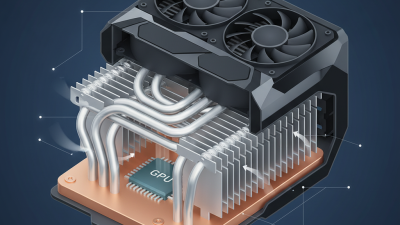
Laptop heatsinks play a crucial role in maintaining optimal performance. They dissipate heat generated by processors during operation. Effective thermal management is essential to prevent overheating. Overheating can lead to reduced performance and hardware failure. Reports suggest that laptops experience thermal throttling when temperatures exceed 90°C. This situation significantly degrades user experience.
The demand for efficient heatsink technology has grown. The global market for laptop cooling systems is projected to reach $3.5 billion by 2025. Copper and aluminum are commonly used materials due to their excellent thermal conductivity. Advanced designs, such as vapor chamber technology, further improve heat dissipation. While the benefits of these technologies are evident, challenges remain. Manufacturers often face trade-offs between size, weight, and cooling efficiency.
Despite advancements, some design flaws persist in heatsink production. Inconsistent quality can lead to performance issues. Proper placement and airflow management are critical yet often overlooked. Manufacturers must ensure rigorous testing protocols to address these concerns. Continuous innovation is necessary to meet evolving user demands. Balancing performance, size, and reliability remains a vital challenge for the industry.
Criteria for Evaluating Heatsink Suppliers in China
When evaluating heatsink suppliers in China, several key criteria stand out. First, consider their industry experience. A supplier's years in the business often correlate with their expertise. Research indicates that over 40% of manufacturers prioritize experience when selecting partners. This focus ensures that suppliers understand thermal management intricacies.
Second, assess the technological capabilities of potential suppliers. Advanced manufacturing techniques can enhance heatsink efficiency significantly. It's crucial to ensure that suppliers are equipped to utilize modern materials like aluminum or copper for optimal thermal conductivity. Industry reports suggest that suppliers investing in innovation can achieve up to a 25% improvement in performance metrics.
Moreover, supplier reliability is paramount. Look for consistency in product quality and delivery timelines. Studies have shown that around 30% of project delays in electronics arise from unreliable suppliers. Thus, reviewing customer feedback and performance records can uncover potential risks in the supply chain. Remember, even minor issues in heatsink performance can impact overall system thermal management, leading to larger concerns down the road.
Top 10 Laptop Heatsink Suppliers in China: A Detailed Review
When looking for reliable laptop heatsink suppliers in China, it's crucial to evaluate their capabilities thoroughly. Many companies claim expertise, but experience matters significantly. A supplier with years in the industry can better understand the nuances of thermal management technology. This knowledge impacts product quality and longevity.
Typically, a strong supplier will have diverse manufacturing processes. They should offer custom designs tailored to various laptop models. This adaptability reflects a deep understanding of thermal dynamics. However, not all suppliers achieve the same level of quality. Some may focus on cost reduction instead of materials or designs, leading to subpar heatsinks.
Additionally, having a solid reputation is vital. Suppliers should have certifications and positive feedback from clients. This information often reveals their reliability and commitment to quality. Yet, it's important to recognize that challenges can arise. Not every interaction with a supplier will meet expectations. Communication issues or delays can happen. Therefore, assessing potential pitfalls is just as important as recognizing strengths. Finding the right partner requires careful consideration of these aspects.
Comparative Analysis of Supplier Offerings and Market Position
The laptop heatsink market in China is diverse, with various suppliers offering unique strengths. This comparative analysis showcases how these companies differ in technology, production capabilities, and market strategies. Each player brings something distinct to the table.
Certain suppliers are known for advanced thermal management technologies. These innovations help improve laptop performance and extend lifespan. Other companies prioritize cost-effectiveness. They provide reliable heatsinks at competitive prices. This diversity in offerings can benefit manufacturers looking for specific solutions.
However, it's crucial to note that not all suppliers maintain the same quality standards. Some may cut corners for lower costs, impacting performance. Moreover, the rapid market changes can create gaps in service reliability. Buyers should conduct thorough evaluations before making decisions. Understanding each supplier’s strengths and weaknesses is key to navigating this complex landscape effectively.
Future Trends in Laptop Heatsink Manufacturing and Supply Chain in China
The future of laptop heatsink manufacturing in China holds significant potential. As technology advances, thermal management becomes crucial for device performance. A recent report indicated that the global heatsink market is projected to grow at a CAGR of 5.4% through 2027. This growth emphasizes the increasing demand for efficient cooling solutions in laptops.
Manufacturers are focusing on innovative materials and designs. For instance, the use of high-performance aluminum and copper alloys is gaining traction. These materials offer better thermal conductivity and reduced weight. A study found that using advanced computational fluid dynamics can optimize heatsink designs, enhancing cooling efficiency. However, many manufacturers still rely on traditional methods, which can stifle innovation.
Supply chain challenges also loom large. The recent semiconductor shortage has affected production timelines. Some suppliers express concerns over raw material availability and cost fluctuations. A 2023 survey showed that 73% of heatsink producers are adjusting their sourcing strategies to mitigate risks. Addressing these challenges will be vital for sustaining growth in the heatsink sector.
Top 10 Laptop Heatsink Suppliers in China You Should Know
| Rank |
Supplier Type |
Annual Revenue (USD) |
Main Product Materials |
Production Capacity (units/year) |
Export Ratio (%) |
| 1 |
OEM Manufacturer |
$50 million |
Copper, Aluminum |
500,000 |
60% |
| 2 |
Contract Manufacturer |
$30 million |
Copper, Zinc |
300,000 |
50% |
| 3 |
Custom Fabricator |
$25 million |
Aluminum, Plastic |
200,000 |
40% |
| 4 |
Component Supplier |
$20 million |
Copper, Fiber |
180,000 |
30% |
| 5 |
High-volume Manufacturer |
$45 million |
Aluminum, Silicon |
450,000 |
70% |
| 6 |
Low-volume Specialist |
$15 million |
Copper, Composite |
100,000 |
20% |
| 7 |
Prototype Developer |
$18 million |
Aluminum, Carbon |
150,000 |
25% |
| 8 |
Innovative Design Firm |
$23 million |
Copper, Plastic |
220,000 |
35% |
| 9 |
Mass Production Manufacturer |
$40 million |
Aluminum, Alloy |
400,000 |
65% |
| 10 |
Niche Supplier |
$12 million |
Copper, Steel |
80,000 |
15% |




 Mr. Perry Wu International Sales Director