What is a Vapor Cooler and How Does It Work?
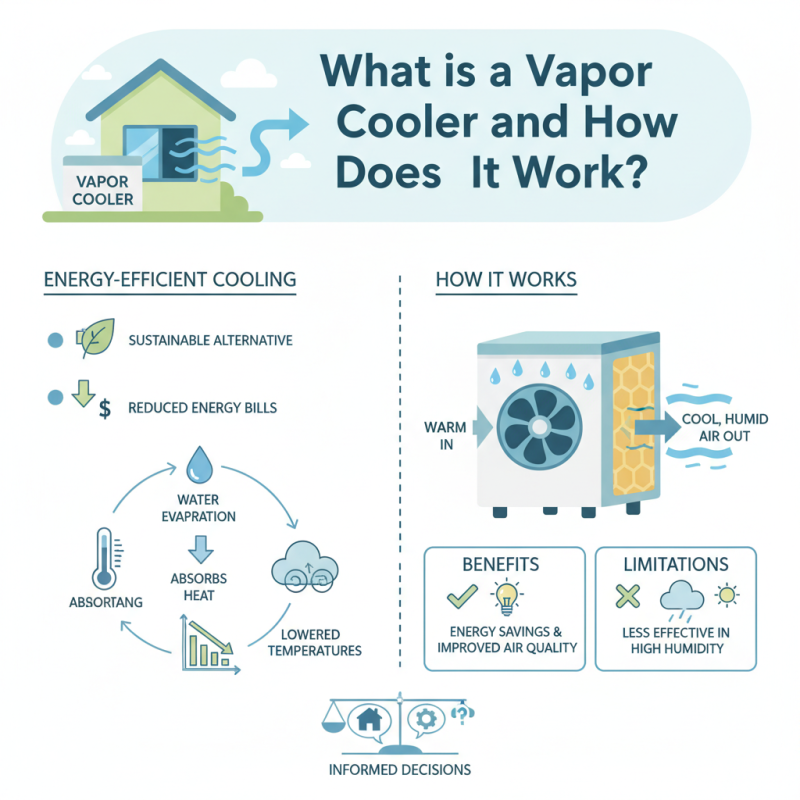
In recent years, the Vapor Cooler has gained popularity as an energy-efficient solution for cooling spaces. This innovative technology uses the principles of evaporation to lower temperatures effectively. Unlike traditional air conditioning systems, which consume excessive energy, the Vapor Cooler offers a sustainable alternative.
The working mechanism of a Vapor Cooler is intriguing. It employs water evaporation to cool the air. As water evaporates, it absorbs heat, resulting in a drop in temperature. This process not only saves energy but also enhances air quality by increasing humidity. It's vital to understand that while this technology is efficient, it may not be suitable for all climates. In regions with high humidity, the effectiveness of Vapor Coolers may decline.
Exploring the benefits and limitations of Vapor Coolers can provide valuable insights. They can significantly reduce energy bills, a crucial factor for many households. Yet, potential users must consider their local environment before making a choice. A deeper understanding of Vapor Coolers ensures informed decisions, balancing efficiency with specific needs.
What is a Vapor Cooler?
A vapor cooler is an efficient cooling system that uses the principles of evaporation to lower temperatures. It works by utilizing the natural process of water evaporation, which absorbs heat and produces a cooling effect. These coolers are popular in dry climates, where humidity levels are lower. This means that they can effectively cool the air by lowering its temperature through water evaporation.
The basic functioning of a vapor cooler involves moving warm air through moist pads. As the warm air passes over these pads, the water evaporates, thereby cooling the air before it circulates into the living space. This process not only cools the air but also adds humidity, which can make environments more comfortable in arid regions. However, one should note the limitations. In areas with high humidity, the effectiveness of vapor coolers diminishes. They can also require regular maintenance to ensure efficiency and prevent mold growth.
Vapor coolers are less energy-intensive compared to traditional air conditioning systems. This makes them an attractive option for individuals looking to reduce energy costs. Despite their advantages, users must consider their specific needs and climate conditions. Not all spaces may benefit equally from a vapor cooler; understanding when and where to use one is crucial for optimal performance.
The Science Behind Vapor Cooling Technology
Vapor cooling technology harnesses the principles of phase change to provide efficient cooling. This method takes advantage of liquid evaporating into gas, absorbing heat in the process. The efficiency of vapor coolers often exceeds traditional cooling systems, making them an attractive option for various applications. For example, studies suggest that the energy efficiency ratio (EER) of vapor coolers can be up to 30% higher than conventional air conditioning units.
The science behind this lies in thermodynamics. In a vapor cooler, refrigerants convert to gas, absorbing substantial heat from their surroundings. The process releases cool air as the gas condenses back into a liquid. This cycle effectively transfers heat away from desired spaces. Some reports indicate that achieving a temperature drop of 10 to 20 degrees Fahrenheit is common. However, regional humidity levels can impact their performance. Areas with high humidity may not maximize cooling efficiency, leading to questions about adaptability.
Despite their advantages, limitations exist. Vapor coolers often rely on specific climate conditions to operate optimally. In arid regions, they excel. However, increased ambient humidity can hinder their effectiveness. This variability requires careful consideration in selection processes. Ongoing research is essential to enhance their performance and broaden application feasibility. Understanding these nuances helps users make informed decisions aligned with their specific environmental needs.
Components of a Vapor Cooler and Their Functions
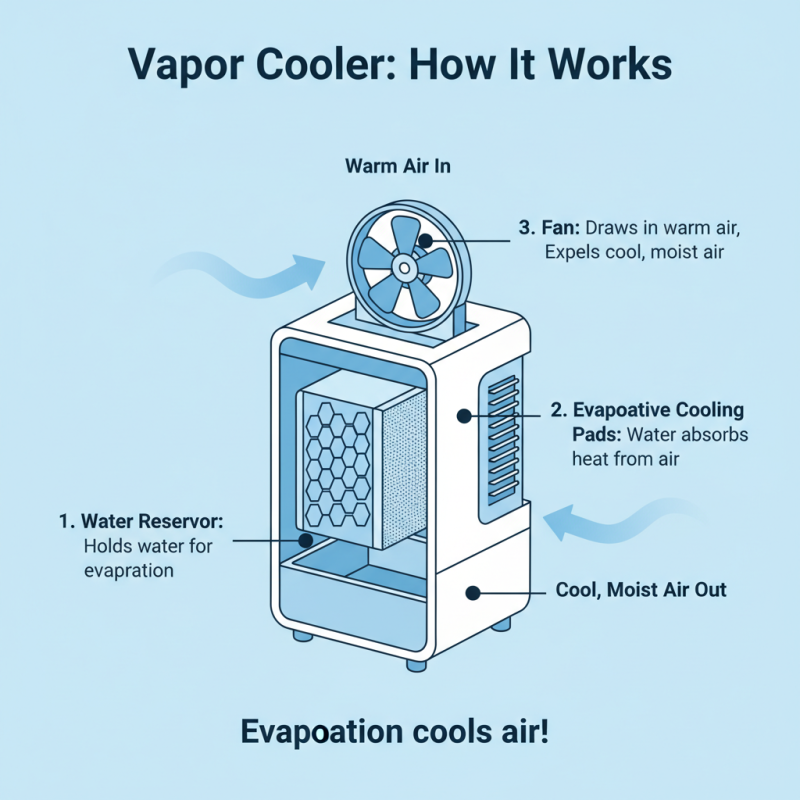
Vapor coolers are fascinating devices that utilize evaporation to cool air. Understanding their components is essential for grasping how they function effectively. Key components include the water reservoir, evaporative cooling pads, and the fan.
The water reservoir holds a supply of water that continually feeds into the cooling pads. These pads are designed to absorb water while allowing air to pass through. As air moves over the wet pads, it cools through evaporation. This process not only reduces the air temperature but also increases humidity, making it ideal for dry climates.
Tips: Ensure the water reservoir is always full for optimal performance. Dirty evaporative pads can hinder airflow and reduce efficiency. Regular cleaning is recommended.
The fan then circulates this cooled air into the surrounding environment. However, the effectiveness of a vapor cooler can diminish when humidity levels rise. This fact often surprises new users. They might expect consistent cooling, but this device works best in low-humidity areas. Keeping an eye on local humidity levels can help manage expectations.
Adjusting the water flow rate is another consideration. Too much or too little can affect the cooling efficiency. Proper maintenance of these components ensures consistent performance. Regular checks can prevent unpleasant surprises during peak heat days.
How Vapor Coolers Operate: A Step-by-Step Process
Vapor coolers use a simple yet effective process to provide cooling. They rely on evaporation to decrease temperature. When liquid water evaporates, it absorbs heat from the surroundings. This principle is the backbone of how vapor coolers operate.
The process starts when warm air is drawn into the cooler. Inside, water is introduced to this air, usually through a series of wet pads. As the air moves across these pads, evaporation occurs. The water absorbs heat from the air, which leads to a drop in temperature. The cooled air is then circulated back into the living space. It feels refreshing and is far more energy-efficient than traditional cooling methods.
One might question the effectiveness of vapor coolers in humid climates. High humidity levels can reduce evaporation rates, thus limiting cooling efficiency. It's essential to monitor humidity and adjust usage accordingly. Additionally, regular maintenance is necessary to ensure optimal performance. Dust and debris can accumulate, affecting airflow and cooling power. Although these coolers are straightforward, they do require attention to detail for lasting effectiveness.
Vapor Cooler Efficiency Comparison
Applications and Benefits of Using Vapor Coolers
Vapor coolers are increasingly utilized in various industries due to their efficiency and eco-friendliness. One significant application is in agricultural settings, where they help maintain optimal temperatures for crops. By relying on evaporative cooling principles, these systems can significantly lower air temperatures. This not only ensures plant health but also boosts yield production.
Another key benefit of vapor coolers is energy efficiency. Compared to traditional refrigeration systems, they often consume less power. This aspect can lead to reduced energy costs, making them an attractive option for businesses aiming to cut expenses. Additionally, vapor coolers contribute to lower carbon footprints, aligning with sustainability goals many companies strive to achieve.
However, challenges exist. The effectiveness of vapor coolers can diminish in high humidity environments. Producers should carefully assess local conditions before investing. Also, regular maintenance is necessary to keep these systems functioning optimally. Overlooking such factors may lead to decreased performance and increased operational costs. Understanding these nuances is essential for effective implementation.



 Mr. Perry Wu International Sales Director