What is a Heatsink Fan and How Does It Enhance Performance?
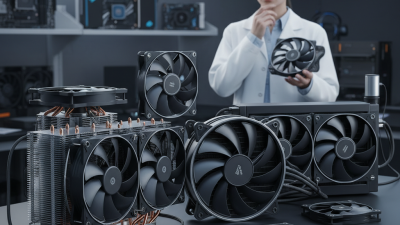
A Heatsink Fan is a crucial component in modern computing. It manages heat and ensures optimal performance. As technology advances, electronic devices produce more heat than ever. A well-designed Heatsink Fan can make a difference.
Dr. Jane Harris, an industry expert, once stated, “A Heatsink Fan not only dissipates heat but also prolongs the life of your hardware.” This insight emphasizes the importance of this technology. A Heatsink Fan works by drawing heat away from critical components. It uses efficient airflow to keep these parts cool.
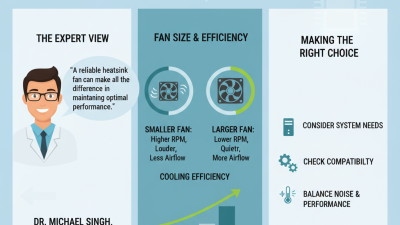
Choosing the right Heatsink Fan is vital. Not all fans are created equal. Some may not fit specific systems or provide adequate cooling. Users should consider noise levels and size as well. Finding the perfect match can be challenging but rewarding. A good fan significantly enhances performance. In today's tech landscape, understanding the role of a Heatsink Fan is essential for any computer owner.
Understanding the Basics of Heatsink Fans
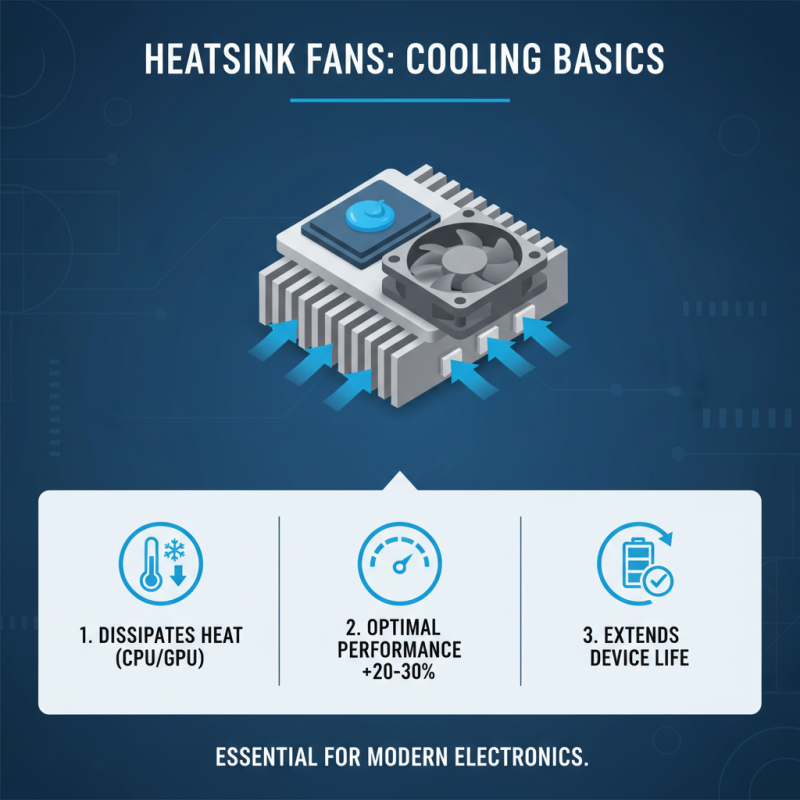
Heatsink fans are critical components in modern cooling systems. They dissipate heat generated by electronic devices, ensuring optimal performance. The basic function of a heatsink fan is to draw heat away from sensitive components like CPUs and GPUs. According to industry research, inadequate cooling can decrease performance by 20-30%. Effective thermal management extends the operational life of devices.
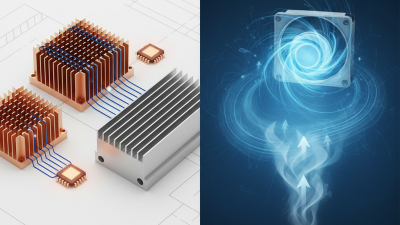
Understanding the mechanics of heatsink fans involves recognizing airflow and heat transfer principles. These fans enhance cooling efficiency through carefully designed fins. The interaction between the moving air and the heatsink surface allows for effective heat exchange. Reports indicate that a well-designed heatsink can improve thermal performance by up to 50%. However, many users overlook the importance of dust maintenance, which can significantly impact performance.
Tip: Regularly clean your heatsink fan to maintain airflow. Dust buildup can reduce efficiency. Use compressed air or a small brush for this task. Remember to power off the device before cleaning. Heatsink fans may also require optimal placement for best airflow. Poor positioning can lead to stagnant air, which counteracts their cooling capabilities. Assess your setup periodically to ensure proper fan operation.
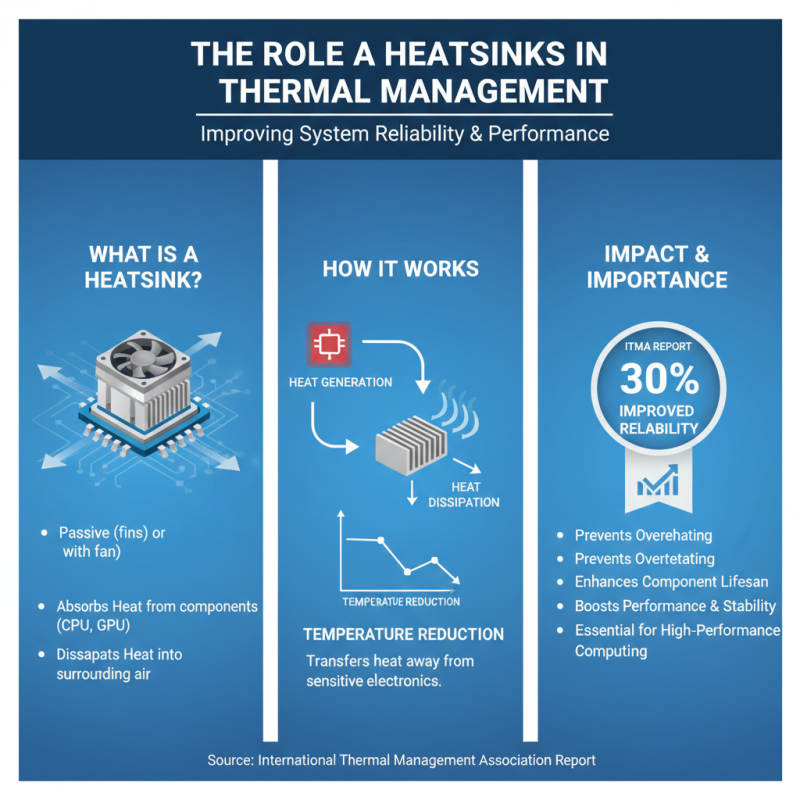
The Role of Heatsinks in Thermal Management
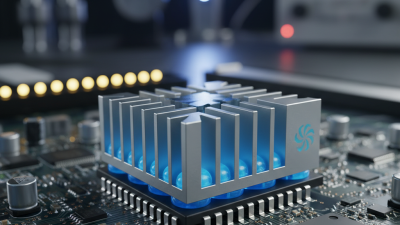
Heatsinks play a critical role in thermal management for electronic devices. They absorb and dissipate heat generated by components like CPUs and GPUs. According to a report by the International Thermal Management Association, effective thermal management can improve system reliability by up to 30%. This highlights the importance of having a reliable heatsink in any high-performance computing environment.
The efficiency of a heatsink is greatly enhanced when combined with a fan. The fan increases airflow, which helps to dissipate heat more effectively. Data from the Semiconductor Industry Association shows that optimal thermal performance can reduce the likelihood of overheating, a common issue that can lead to system failures. However, it's essential to choose the right type of heatsink and fan combination, as over-ventilation can create noise and system instability.
Improper installation or lack of maintenance can undermine the benefits of heatsinks and fans. Dust accumulation can block airflow, which diminishes cooling efficiency. Regular cleaning is necessary to maintain optimal performance. Despite technological advancements, many users overlook these basic maintenance tasks, often leading to suboptimal thermal management.
How Heatsink Fans Operate to Enhance Cooling Efficiency
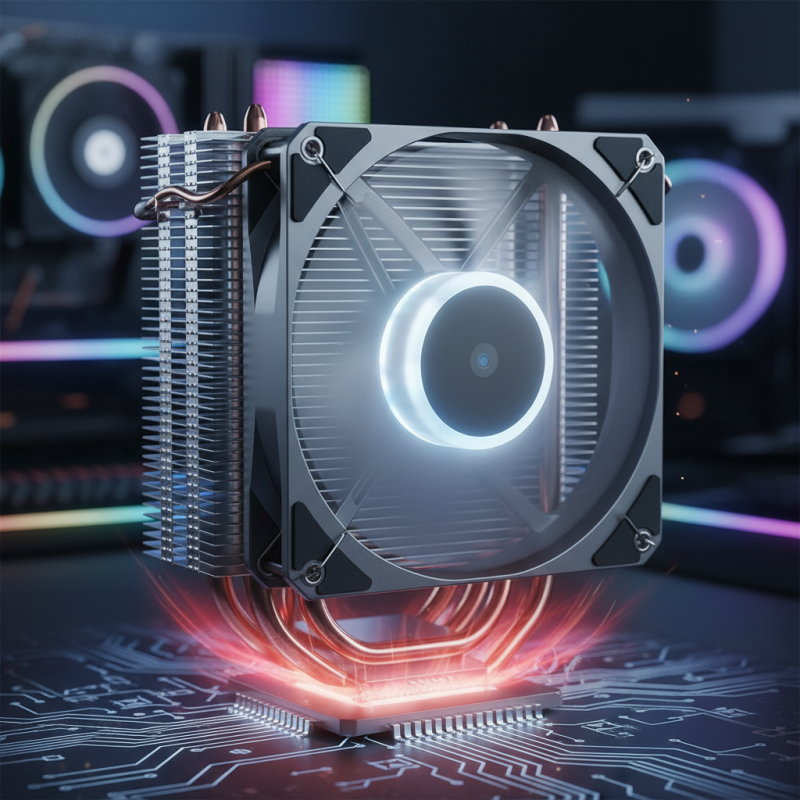
Heatsink fans are essential components in electronic devices. They work by dissipating heat effectively. As components like CPUs and GPUs generate heat during operation, heatsink fans, combined with heatsinks, enhance cooling efficiency. The heatsink absorbs excess heat while the fan helps distribute cool air around it.
The operation starts when the device runs. The heatsink gets warm quickly. Then, the fan kicks in, pulling cool air from the surroundings. This airflow not only cools the heatsink down but also maintains optimal temperatures for surrounding components. This process is critical for system performance and longevity.
However, there are challenges. Dust can accumulate on the fan blades. This reduces airflow and, hence, cooling efficiency. Regular maintenance is crucial to keep the fan and heatsink clean. Without attention, the system may overheat, leading to reduced performance. Balancing simple upkeep with efficient design can be tricky, but it's vital for peak performance.
Factors Influencing Heatsink Fan Performance
When considering heatsink fan performance, several key factors come into play. The design of the heatsink plays a crucial role. Fins with increased surface area dissipate heat more effectively. A report from the Thermal Management Industry revealed that optimizing surface area can improve heat dissipation rates by up to 30%. This optimization is essential for high-performance applications, such as gaming PCs and servers.
The fan's speed and airflow are equally vital. Fans with higher RPMs create more airflow, enhancing heat transfer from the heatsink to the environment. A study indicated that a 20% increase in fan speed can lead to a 15% reduction in operational temperatures. However, higher speeds also introduce noise, which can be a concern for users seeking quieter systems. Balancing these parameters is not always straightforward, leading to challenges in design.
Moreover, ambient temperature and the quality of thermal paste influence performance. Thermal paste ensures efficient contact between the CPU and the heatsink. A poor application can hinder performance significantly. Research shows that improper thermal paste application can increase temperatures by over 10 degrees Celsius. Continuous monitoring and adjustments are necessary for optimal function, highlighting the complexity of effective thermal management.
Applications of Heatsink Fans in Modern Technology
Heatsink fans play a crucial role in modern technology. They are commonly used in computers, gaming consoles, and high-performance graphics cards. The combination of a heatsink and a fan enhances cooling efficiency. This prevents overheating and maintains optimal performance. Without them, electronic devices would face serious thermal issues.
In the automotive industry, heatsink fans are essential for electric vehicle batteries. Excess heat can reduce battery life, making effective cooling vital. Miniature versions are also found in smartphones. These small fans help keep processors from throttling under load. However, not all designs are perfect. Some fans can produce unwanted noise, which impacts user experience. Manufacturers often face challenges balancing performance and sound levels.
In the realm of industrial applications, these cooling solutions can be found in power electronics and LED lighting. They ensure these systems operate efficiently. Yet, there is room for improvement in durability and energy consumption. As technology advances, engineers constantly seek better materials and designs. The integration of smarter cooling solutions remains a key focus for future innovations.



 Mr. Perry Wu International Sales Director