Top Rated Cooling Heat Sinks for Global Buyers to Consider?
In the rapidly evolving world of electronics, effective thermal management is crucial. Cooling heat sinks play a vital role in maintaining optimal temperatures for components, thereby enhancing performance and longevity. Renowned expert Dr. Andrew K. Lin, a thermal management specialist, states, "The right cooling heat sink can be the difference between a product’s success and its failure." This underscores the significance of choosing the right solution.
Global buyers must carefully consider various options when selecting cooling heat sinks. Factors such as material, design, and compatibility with electronic devices can greatly impact efficiency. An effective cooling heat sink not only dissipates heat but is also designed to maximize airflow and minimize resistance.
Yet, amid the plethora of available options, it’s essential to reflect on the challenges in the selection process. High costs, varying performance under different conditions, and the need for expert knowledge can complicate decisions. Ultimately, understanding the nuances in cooling heat sink technology enables buyers to make informed choices that will drive performance and reliability in their products.
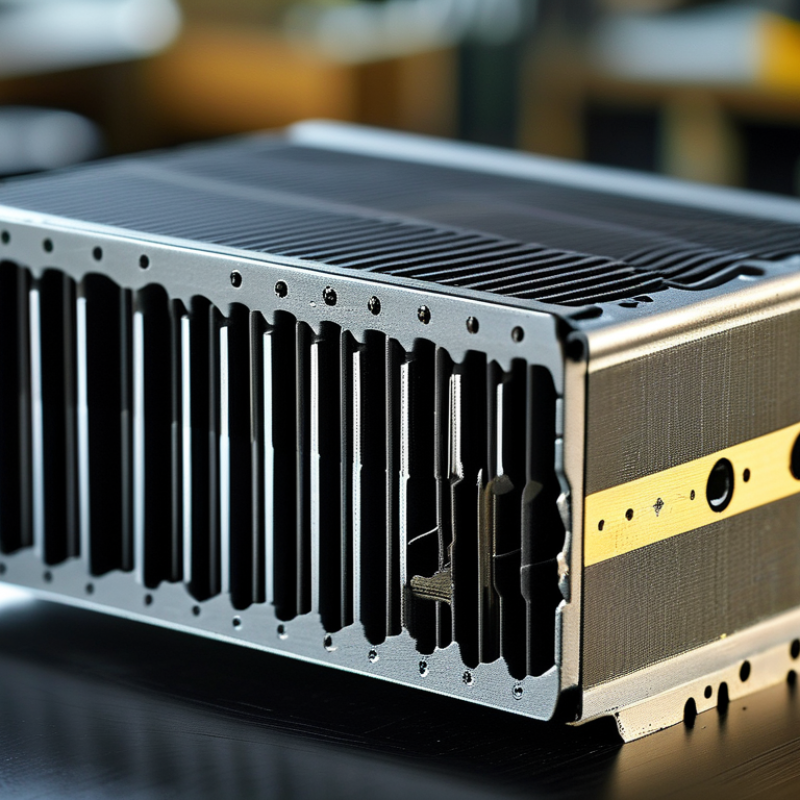
Overview of Cooling Heat Sinks and Their Importance in Electronics
Cooling heat sinks play a vital role in electronics. They dissipate heat generated by components, ensuring stable performance. Excessive heat can lead to component failure, reduced efficiency, and shorter lifespan. According to a recent industry report, inadequate thermal management can reduce a device's lifespan by as much as 50%. This makes the choice of heat sink crucial.
The effectiveness of a heat sink is determined by its design and material. Aluminum is widely used due to its lightweight and cost-effectiveness. Copper offers superior thermal conductivity, yet it can be heavier and more expensive. Selecting the right material can impact not just performance, but also production costs. Recent studies indicate that optimizing heat sink design improves cooling efficiency by up to 30%. However, achieving this requires balancing performance with size and cost constraints, a challenge many face in the industry.
Despite advancements, many devices still suffer from inadequate cooling solutions. This highlights the need for continuous innovation. Many designs may overlook airflow, which is essential for heat dissipation. Understanding the specific thermal needs of devices is crucial for optimal performance. Therefore, ongoing research is necessary to refine designs and materials for more efficient thermal management in electronics.
Top Rated Cooling Heat Sinks for Global Buyers to Consider
| Material |
Dimensions (mm) |
Weight (g) |
Thermal Conductivity (W/mK) |
Price (USD) |
| Aluminum |
70 x 50 x 15 |
120 |
205 |
15.99 |
| Copper |
65 x 45 x 10 |
150 |
400 |
29.99 |
| Graphite |
80 x 60 x 20 |
200 |
200 |
25.50 |
| Aluminum-Copper Composite |
75 x 55 x 12 |
180 |
250 |
22.75 |
| Plastic with Metal Fins |
85 x 65 x 25 |
100 |
90 |
12.50 |
Key Features to Look for When Choosing a Cooling Heat Sink
Choosing the right cooling heat sink can significantly impact your system's performance. Performance metrics, material quality, and compatibility are crucial factors. Look for heat sinks made from high-conductivity materials like aluminum or copper. These materials help dissipate heat efficiently. The design of the fins is also essential. Fins should be spaced to allow optimum airflow while maintaining structural integrity.
Another important aspect is the size and weight of the heat sink. A larger heat sink can often handle greater heat loads. However, it should fit your device without obstructing other components. Weigh the thermal performance against space constraints. Consider airflow patterns within your system. Proper orientation can make a notable difference in cooling efficiency.
Lastly, reflect on the ease of installation. Complex designs may seem appealing but can lead to mounting issues. Choose designs that allow for simpler integration with existing components. Evaluate whether the benefits outweigh the complexities. Seeking advice from experts can also guide your decision-making process.
Top Rated Cooling Heat Sinks: A Guide for Global Buyers
When selecting cooling heat sinks, global buyers must consider several essential factors. The effectiveness of a heat sink is vital for maintaining optimal temperatures in electronic devices. A well-designed heat sink significantly enhances the durability and performance of components. Buyers should assess materials, sizes, and configurations while making a selection. Aluminum and copper are popular choices due to their thermal conductivity.
Buyers often overlook the importance of airflow. Proper airflow ensures better heat dissipation. It's crucial to understand the environment where the heat sink will be used. For example, densely packed setups may require unique designs to maximize cooling potential. Many buyers also underestimate the significance of thermal interface materials. These materials bridge the gap between surfaces, improving heat transfer.
Pricing and availability are additional considerations. Budget constraints can influence choices, but investing in quality often pays off in the long run. Customers need to be cautious with unverified suppliers. Research and user reviews can provide insight into reliability. Lastly, the right cooling solution should continually adapt to advancements in technology. Regular evaluation of options is essential for staying ahead in performance.
Comparison of Material Types Used in Heat Sink Manufacturing
When considering heat sink materials, aluminum and copper are the most popular options.
Aluminum is lightweight and cost-effective, making it ideal for many applications. It has a thermal conductivity of around 205 W/mK. This efficiency makes it suitable for a variety of cooling solutions, from servers to personal computers.
Copper, on the other hand, boasts superior thermal conductivity at approximately 400 W/mK. This property allows for better heat dissipation but comes at a higher cost. Many engineers choose copper for high-performance devices where heat is a critical concern. Both materials have their strengths but require careful consideration depending on the specific application and budget constraints.
Tip: When selecting a heat sink material, consider the thermal demands of your project. Evaluate the cost against the performance benefits. Remember that a larger heat sink may lower temperatures more effectively but could also complicate the design.
Lastly, while aluminum and copper dominate the market, newer materials like graphite and composite metals are emerging. These alternatives show promise but lack extensive long-term reliability data. Researching material performance is essential. Don't rush your decision. Make sure to weigh all factors before committing to a specific type.
Market Trends and Innovations in Cooling Heat Sink Technology
The cooling heat sink market is undergoing rapid evolution. Advanced materials, such as graphene and copper composites, are becoming mainstream. These materials enhance efficiency and contribute to lighter designs. With performance so critical, manufacturers prioritize thermal conductivity and longevity. However, the challenge remains: balancing performance and cost.
Innovations in manufacturing techniques are also notable. 3D printing technology allows for intricate designs, optimizing airflow and thermal dissipation. These customized structures significantly outperform traditional options. Yet, this innovation isn't universally accessible. Not all manufacturers can adopt such advanced methods, creating a divide in the market.
Regulatory standards are increasingly influential. Ensuring compliance with environmental guidelines can complicate design processes. Many companies struggle to keep up with changing regulations. This inconsistency can affect reliability. While advancements pave the way for superior products, they also prompt a reevaluation of existing practices and standards. Balancing innovation with practicality is more crucial than ever.



 Mr. Perry Wu International Sales Director