What is a Vapor Cooler and How Does It Work?
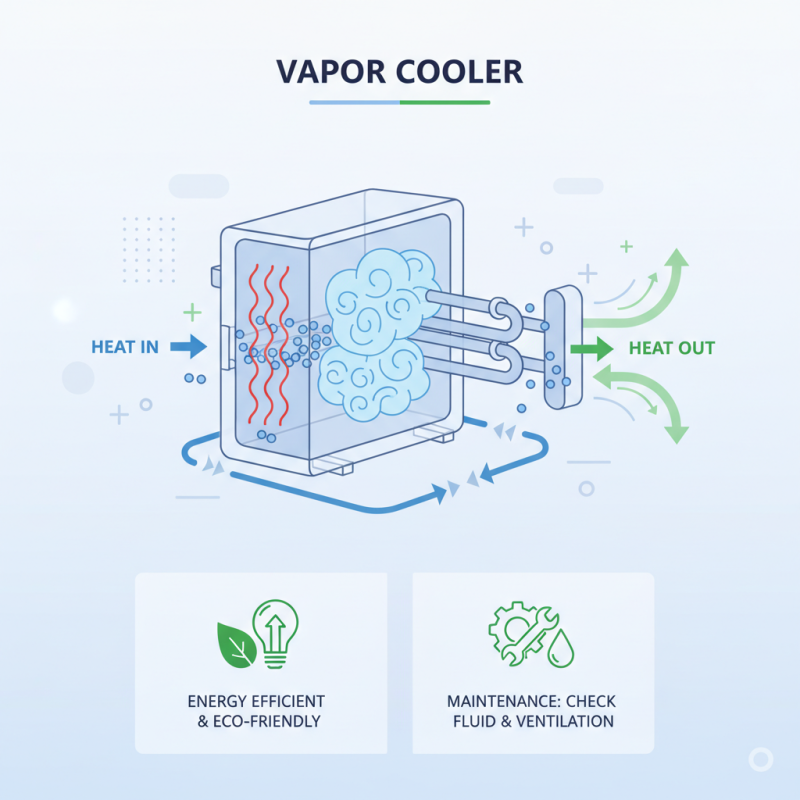
In recent years, the use of vapor coolers has gained significant traction in various industries. According to Dr. Emily Carter, a leading expert in thermal management systems, "Vapor coolers represent a smart solution for efficient cooling in modern applications." The principle behind a vapor cooler is both simple and effective. It uses the phase change of a refrigerant to absorb and dissipate heat, creating a cooling effect. This technology is not only energy-efficient but also environmentally friendly, minimizing its carbon footprint.
As demand for efficient cooling solutions rises, understanding vapor coolers becomes essential. However, the complexity of their design can present challenges. Many users may overlook the importance of proper maintenance, leading to performance issues. It's crucial for operators to regularly check fluid levels and ensure proper ventilation to maintain optimal function. Engaging with local experts can further enhance reliability and effectiveness. Innovations in this field continue to evolve, but the core principles remain the same—efficiency and sustainability at their heart.
What is a Vapor Cooler?
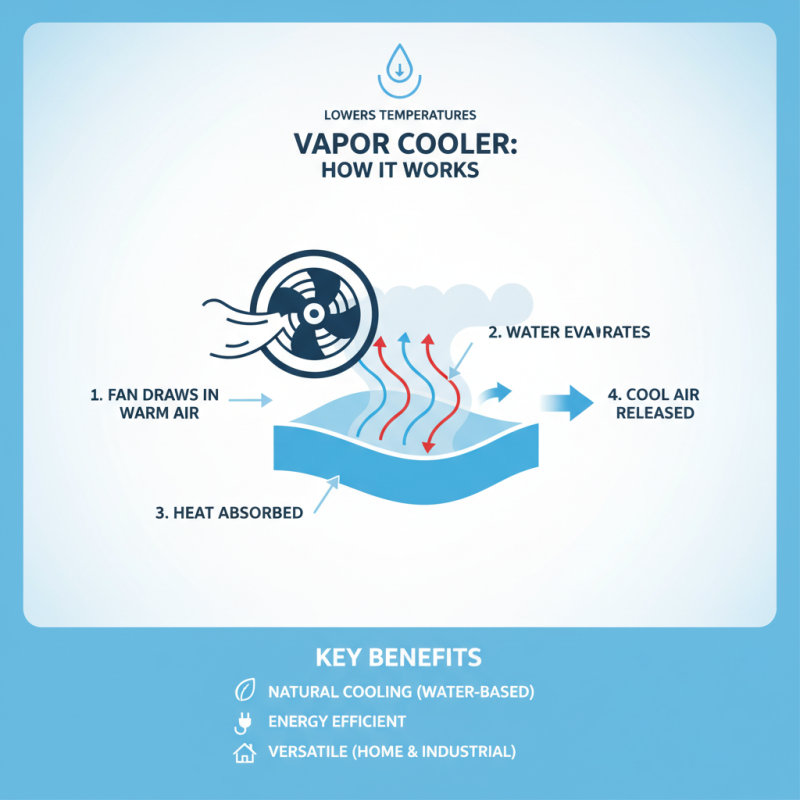
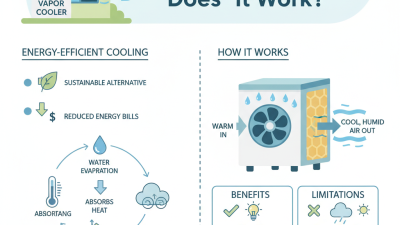
A vapor cooler is a device designed to lower temperatures through the evaporation process. It harnesses the natural properties of water to absorb heat. As water evaporates, it transitions from a liquid to a vapor, pulling heat from the surrounding air. This process creates a cooling effect that can be beneficial in various settings.
When operating, vapor coolers draw warm air through moistened pads. The air passes over wet surfaces, causing moisture to evaporate. This results in cooler air being released back into the environment. The efficiency of a vapor cooler largely depends on humidity and temperature levels. In drier climates, these systems work effectively. However, in high-humidity areas, their performance can diminish.
Despite their advantages, vapor coolers are not without challenges. They can increase indoor humidity levels, which might lead to discomfort. Additionally, if not maintained properly, these units can become breeding grounds for bacteria. Regular cleaning and water replacement are essential to ensure safety and effectiveness. Understanding these nuances helps users make informed decisions about vapor coolers.
The History and Development of Vapor Coolers
Vapor coolers have evolved significantly since their inception in the early 20th century. Initially, these systems were bulky and inefficient, primarily used in industrial settings. The first designs utilized water evaporation, harnessing the cooling effect produced as water transformed from liquid to vapor. Over the decades, advancements in materials and technology have streamlined these systems. According to a 2021 report by the Energy Institute, modern vapor coolers can achieve efficiencies up to 75%.
The shift towards more sustainable cooling solutions escalated in the late 1990s. The industry's focus on reducing energy consumption prompted the integration of sensors and automation. These technologies enable vapor coolers to adjust settings based on real-time data, optimizing energy use. However, challenges remain. Not all regions have suitable climates for vapor coolers. Humidity levels can drastically affect performance, sometimes leading to inefficiencies. A 2020 report by the Cooling Technology Institute highlighted that vapor coolers may face limitations in humid conditions, which can hinder their effectiveness.
Despite these challenges, the demand for eco-friendly cooling solutions continues to grow. Experts predict that the market for vapor coolers will expand by 12% annually through 2025. This growth showcases a significant shift towards prioritizing environmental sustainability in cooling technology. The journey of vapor coolers reflects a mix of innovation and ongoing hurdles, pushing the industry towards new horizons.
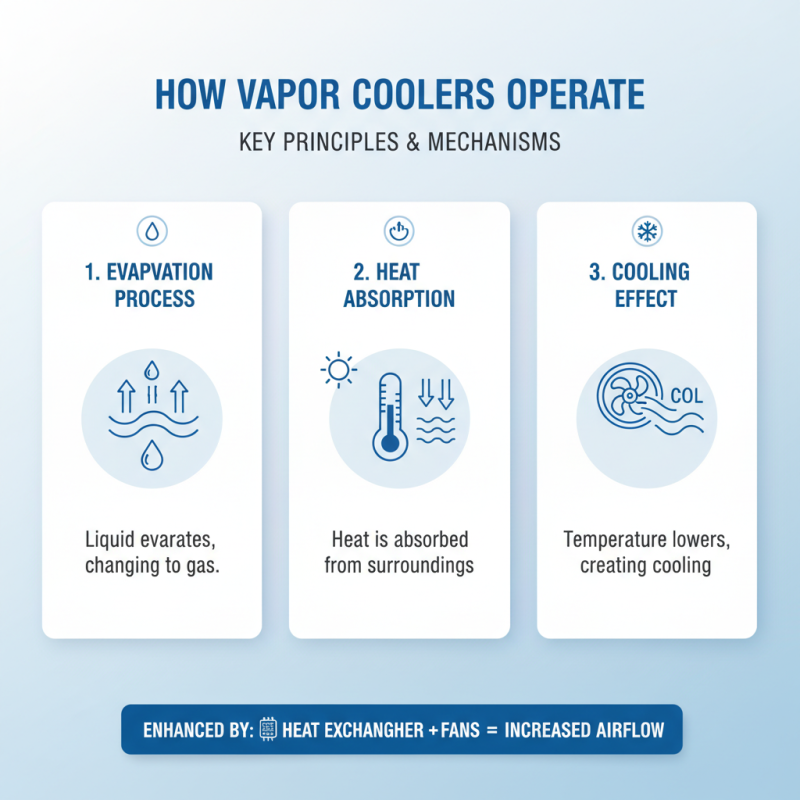
How Vapor Coolers Operate: Key Principles and Mechanisms
Vapor coolers operate on simple yet effective principles. They utilize the process of evaporation to lower temperatures. When a liquid evaporates, it absorbs heat from its surroundings. This heat absorption creates a cooling effect. Vapor coolers typically involve a heat exchanger and fans to enhance airflow.
Key mechanisms include the evaporation of water or coolant. When the liquid evaporates, it turns into vapor, which carries away heat. The process is efficient and environmentally friendly. Additionally, vapor coolers are often more cost-effective than traditional refrigeration methods. However, their efficiency can vary based on humidity levels. In drier climates, vapor coolers perform exceptionally well. Yet, in high-humidity areas, their effectiveness diminishes.
Understanding the design and functionality of vapor coolers is vital. While they seem straightforward, several factors influence their performance. Users must consider airflow and surface area for maximum efficiency. Regular maintenance is essential to prevent mineral buildup and ensure optimal cooling. Awareness of these aspects can help users make informed choices.
Advantages of Using Vapor Coolers Over Traditional Cooling Methods
Vapor coolers utilize the process of evaporation to provide efficient cooling. Unlike traditional air conditioning systems, which rely on refrigerants and compressors, vapor coolers use water as the primary cooling medium. This method not only reduces energy consumption but also utilizes a natural cooling process. According to the U.S. Department of Energy, evaporative cooling can be up to 75% more efficient in dry climates when compared to conventional cooling methods.
A significant advantage of vapor coolers is their lower environmental impact. They consume less energy, leading to reduced greenhouse gas emissions. Reports indicate that replacing traditional units with vapor coolers can cut energy costs by up to 50% in some regions. This efficiency is particularly beneficial in arid areas where humidity levels are low, enhancing moisture evaporation.
Tip: Regular maintenance of vapor coolers is essential for optimal performance. Clean the water distribution system and pads to prevent mineral buildup.
The simplicity of vapor coolers also leads to fewer components that can fail. Their design often results in lower repair costs. However, their performance may not be adequate in high-humidity environments. It’s important to assess local climate conditions before making the switch.
Tip: Consider installing a hybrid system in humid regions to maximize cooling efficiency. Balancing options can ensure comfort year-round.
Applications of Vapor Coolers in Various Industries
Vapor coolers find applications across various sectors, transforming processes in industries such as manufacturing and agriculture. In manufacturing, they provide efficient cooling for machinery, which helps prevent overheating. This not only extends equipment life but also enhances performance. In agriculture, vapor coolers play a crucial role in controlling temperatures in greenhouses, creating an ideal environment for crop growth. The reduction of moisture helps in preventing fungal diseases.
These systems are also utilized in food processing. Maintaining low temperatures is essential to preserve food quality and freshness. The vapor cooling process aids in protecting perishable items during transportation. It's fascinating how a simple concept significantly impacts these diverse fields.
Tips: When considering a vapor cooler, evaluate the specific needs of your industry. Each application may require different specifications. Ensure regular maintenance to keep the system efficient. Poor upkeep can lead to inefficiencies and increased costs. The installation process is another critical aspect; it should be done by a qualified professional to prevent future issues. Choose wisely, as not all systems fit every application perfectly.
Applications of Vapor Coolers in Various Industries



 Mr. Perry Wu International Sales Director